
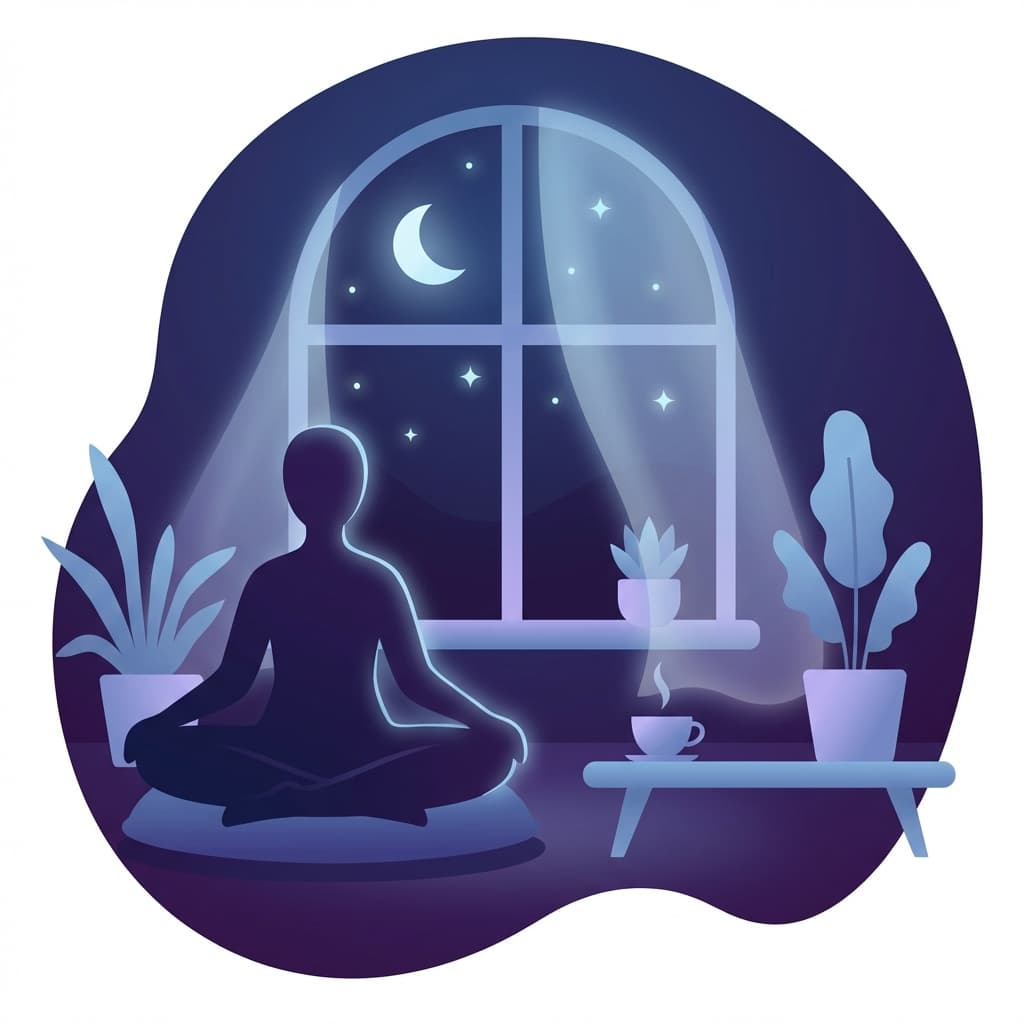
What to Do When You Can't Sleep - A Complete Guide to Peaceful Nights
"It's completely understandable to feel frustrated and exhausted when sleep evades you. You're not alone – many people experience sleepless nights, and there are effective ways to find your way back to restful slumber."
⚡ Quick Win
Try a simple breathing exercise: Inhale deeply for 4 seconds, hold for 7 seconds, and exhale slowly for 8 seconds. Repeat this a few times to calm your nervous system.
Why This Happens: Understanding the Science of Sleep
Sleeplessness, or insomnia, can stem from a complex interplay of factors. At its core, sleep is regulated by two main processes: your sleep drive (the pressure to sleep that builds throughout the day) and your circadian rhythm (your body's internal clock). When these processes are disrupted, sleep problems arise. Stress, anxiety, and depression are major culprits, triggering the release of cortisol and adrenaline, hormones that keep you alert. Lifestyle factors like caffeine and alcohol consumption, irregular sleep schedules, and screen time before bed also interfere with sleep. Biologically, your brain produces melatonin, a hormone that promotes sleepiness, in response to darkness. Light exposure, especially from electronic devices, suppresses melatonin production. Psychologically, racing thoughts, unresolved worries, and even the anticipation of not being able to sleep can create a vicious cycle of sleeplessness. In some cases, underlying medical conditions or sleep disorders like sleep apnea can contribute to insomnia. Understanding these factors is the first step towards reclaiming your sleep and establishing healthy sleep habits. Remember, your body and mind are interconnected, and addressing both physical and mental well-being is crucial for restful nights.
Immediate Steps
1Progressive Muscle Relaxation
Reduces physical tension by systematically tensing and relaxing different muscle groups.
👉 Lie down comfortably. Start with your toes, tensing them for 5 seconds, then relax for 30 seconds. Repeat this process, moving up your body: calves, thighs, abdomen, chest, arms, hands, shoulders, neck, and face. Focus on the feeling of relaxation as you release each muscle group.
2Create a Sleep Sanctuary
A calming environment signals to your brain that it's time to sleep.
👉 Ensure your bedroom is dark, quiet, and cool (around 18-20°C). Use blackout curtains, earplugs, or a white noise machine if needed. Make sure your bed is comfortable with supportive pillows and a cozy blanket.
3Gentle Stretching or Yoga
Releases tension and promotes relaxation without raising your heart rate excessively.
👉 Try gentle stretches like child's pose, cat-cow pose, or lying knee twists. Hold each pose for 30-60 seconds, focusing on your breath. Avoid strenuous exercises close to bedtime.
Traps to Avoid
Looking at the Clock
Checking the time repeatedly increases anxiety and reinforces the feeling of being awake.
Do this instead:
Turn your clock away from you or cover it up to avoid the temptation to check the time.
Using Electronics in Bed
The blue light emitted from screens suppresses melatonin production and keeps you awake.
Do this instead:
Avoid phones, tablets, and computers at least an hour before bed. Read a book, listen to calming music, or try meditation instead.
Consuming Caffeine or Alcohol Before Bed
Caffeine is a stimulant that keeps you awake, while alcohol, although initially sedating, disrupts sleep later in the night.
Do this instead:
Avoid caffeine after midday and limit alcohol consumption, especially close to bedtime. Opt for herbal tea or warm milk instead.
Global & Cultural Perspectives
Globally, sleep hygiene is recognized as crucial for overall health. However, the Indian lifestyle often presents unique challenges. Long commute times and late work hours can disrupt sleep schedules. Late dinners, common in many Indian households, can also interfere with sleep. Adjusting these habits, where possible, and prioritizing relaxation techniques tailored to your personal needs can make a significant difference. Consider incorporating Ayurvedic practices like a warm oil massage (Abhyanga) or drinking warm milk with turmeric (Haldi doodh) before bed for a naturally calming effect.
Preventing Sleepless Nights in the Future
Establish a consistent sleep schedule by going to bed and waking up at the same time every day, even on weekends. Create a relaxing bedtime routine that signals to your body that it's time to sleep – this could include a warm bath, reading, or meditation. Ensure regular physical activity, but avoid intense workouts close to bedtime. Practice mindfulness and stress-reduction techniques throughout the day. Review your diet and ensure you are getting enough magnesium and other sleep-promoting nutrients. A well-regulated sleep pattern is a cornerstone of overall health and well-being.
💎 Expert Insight
"Create a 'worry journal'. Before bed, write down any thoughts or worries that are keeping you awake. This helps to 'unload' your mind and prevent racing thoughts from disrupting your sleep."
Common Questions
Is it okay to take a nap during the day if I couldn't sleep at night?
Naps can be helpful, but keep them short (20-30 minutes) and avoid napping late in the afternoon, as this can interfere with your nighttime sleep. Short naps can improve alertness and mood without disrupting your sleep drive too much. If you have chronic insomnia, it's best to avoid naps altogether until your sleep schedule is more regular.
When should I see a doctor about my sleep problems?
If you've been experiencing persistent sleep problems for more than a few weeks, and your daily functioning is affected, it's a good idea to consult a doctor. They can help identify any underlying medical conditions or sleep disorders that may be contributing to your insomnia and recommend appropriate treatment options.
Remember, you're not alone in this. Sleepless nights happen, and with patience and consistent effort, you can regain control of your sleep. Be kind to yourself, focus on creating a calming environment, and trust that your body has the ability to rest. Sweet dreams are within reach.
Need Personalized Guidance?
Get AI-powered advice tailored to your health profile and lifestyle.
Start Your Plan