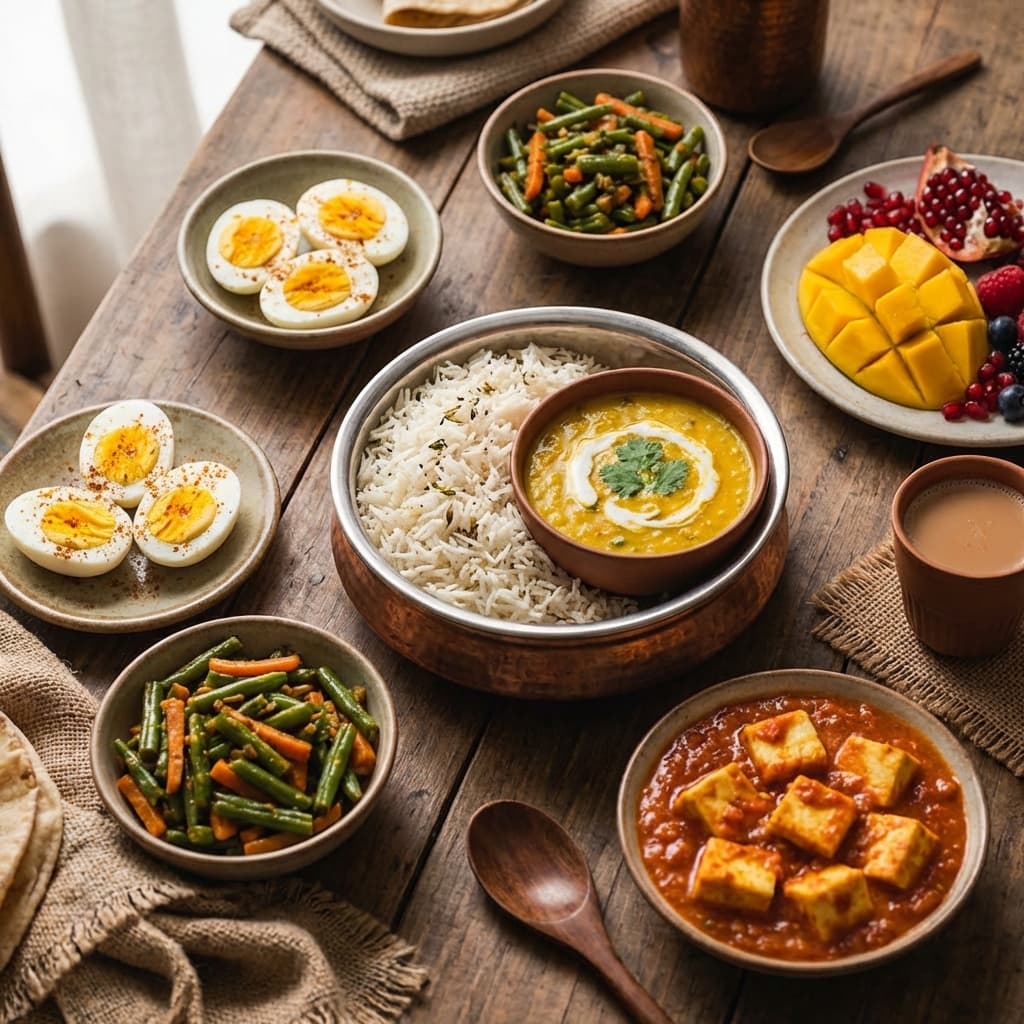
Healthy food background
MODERATE ⚠️at NightLast Updated: 1/12/2026

Can I Eat Chai at Night?

Drinking chai at night is generally not recommended for everyone due to its caffeine content, which can disrupt sleep patterns. However, a small cup of decaffeinated chai or herbal chai might be acceptable depending on individual sensitivity to caffeine and digestive health. Consider the milk and sugar content as well, as these can also impact sleep and blood sugar levels. Pay attention to your body's response and adjust your consumption accordingly.

Key Insight

Chai contains L-theanine, an amino acid that promotes relaxation, but its effects are often overshadowed by the stimulating effects of caffeine. The ratio of caffeine to L-theanine significantly influences its overall impact.

The Science Behind Chai

Chai is typically a blend of black tea, spices (such as cardamom, cinnamon, ginger, cloves, and pepper), milk, and a sweetener (sugar or honey). The nutritional profile varies greatly based on the specific ingredients and their proportions. Black tea forms the base, providing caffeine, which acts as a stimulant by blocking adenosine receptors in the brain. A standard cup (240ml) of black tea contains approximately 47mg of caffeine. Clinical studies show that caffeine consumption close to bedtime can significantly reduce sleep duration and quality, particularly REM sleep. The spices in chai offer a range of potential health benefits. Ginger possesses anti-inflammatory properties due to compounds like gingerol, as demonstrated in numerous studies on arthritis and muscle soreness. Cinnamon contains cinnamaldehyde, which has been shown in nutrition research to improve insulin sensitivity and lower blood sugar levels in some individuals. Cardamom may have antioxidant and diuretic effects. Cloves are rich in eugenol, an antioxidant with potential anti-inflammatory and antimicrobial properties. Milk contributes calcium (around 300mg per cup of cow's milk), protein (8g per cup), and vitamin D (if fortified). The glycemic index (GI) of chai depends heavily on the type and amount of sweetener used. Unsweetened chai has a very low GI, while chai sweetened with sugar can have a GI ranging from 55 to 70, depending on concentration. Digestion speed is moderate, with the milk and spices slowing down the absorption of caffeine compared to drinking plain black tea. The metabolic impact of chai is complex. Caffeine can temporarily increase metabolism, while the spices may improve insulin sensitivity. However, the added sugar contributes to caloric intake and can lead to weight gain if consumed in excess. Research indicates that the antioxidants in tea and spices, such as polyphenols, can protect against cellular damage and reduce the risk of chronic diseases. However, these benefits are often offset by the negative effects of caffeine and added sugar, particularly when consumed at night. The tannins in tea can also inhibit the absorption of iron, especially non-heme iron from plant-based sources. Furthermore, the milk content can interfere with the absorption of certain antioxidants. Therefore, opting for chai made with plant-based milk alternatives like almond or soy milk may improve antioxidant absorption. The bioavailability of nutrients in chai is also affected by the brewing method and the quality of ingredients. Freshly ground spices and high-quality tea leaves generally provide a greater concentration of beneficial compounds. Boiling chai for an extended period can degrade some of the volatile oils in the spices, reducing their potency.

🌍

Global & Cultural Insights

Chai is deeply ingrained in Indian culture, often consumed multiple times a day as a social ritual and energy booster. Traditionally, chai is prepared with black tea, spices, milk, and sugar, and variations exist across different regions. Ayurvedic principles suggest that the spices in chai can have various health benefits, depending on an individual's dosha (body type). However, the modern Indian lifestyle often involves consuming chai with processed snacks and in large quantities, which can negate the potential health benefits. When incorporating chai into a healthy Indian diet, it's important to be mindful of the sugar and milk content, especially when consumed with carbohydrate-rich foods like roti or rice. Opting for unsweetened chai with plant-based milk alternatives can be a healthier choice, particularly for those with diabetes or weight concerns. Consider herbal chai variations like tulsi chai or ginger tea as a caffeine-free alternative for evening consumption.

Who Should Eat Chai?

For People with Diabetes/Insulin Resistance

Recommended

If you have diabetes or insulin resistance, it's best to avoid chai at night, especially if it contains sugar. If you still want to enjoy chai, opt for a sugar-free version or use a low-glycemic sweetener like stevia or erythritol. Limit the milk content or use unsweetened almond milk to reduce the carbohydrate load.

Caution

The sugar content in chai can cause a rapid spike in blood sugar levels, leading to insulin resistance over time. Monitor your blood glucose levels closely after consuming chai, especially at night. Avoid adding honey, as it also has a high glycemic index.

For Weight Loss & Metabolism

Recommended

Chai can contribute to weight gain if consumed frequently and in large quantities, primarily due to the added sugar and milk. Opt for unsweetened chai or use a small amount of natural sweetener like stevia. Choose low-fat or skim milk to reduce the caloric density. The caffeine in chai may provide a temporary boost to metabolism, but this effect is minimal compared to the overall calorie intake.

Caution

Avoid drinking chai right before bed, as it can disrupt sleep and lead to hormonal imbalances that promote weight gain. Be mindful of portion sizes; a small cup (120ml) is preferable to a large mug (360ml). Don't add high-calorie toppings like whipped cream or extra sugar.

For Athletes & Muscle Gain

Recommended

Chai is not an ideal beverage for athletes seeking muscle gain, primarily because it lacks significant protein content. The milk in chai provides a small amount of protein (around 4g per 120ml), but it's not sufficient for muscle recovery after intense workouts. The caffeine may offer a pre-workout energy boost, but it's important to balance it with adequate hydration.

Caution

Avoid drinking chai immediately before or after workouts, as it can interfere with nutrient absorption and hydration. The tannins in tea can inhibit the absorption of iron, which is crucial for oxygen transport to muscles. If consuming chai, ensure you're getting sufficient protein and iron from other sources.

For Heart Health & Cholesterol

Recommended

Chai can be part of a heart-healthy diet if prepared with low-fat milk and minimal added sugar. The spices in chai, particularly cinnamon and ginger, may have beneficial effects on cholesterol levels. Some studies suggest that cinnamon can lower LDL (bad) cholesterol and triglycerides. However, the overall impact on heart health is relatively small compared to other lifestyle factors like diet and exercise.

Caution

Be mindful of the fat content in the milk used to make chai, especially if you have high cholesterol. Avoid using full-fat milk or adding butter or cream. Limit your intake of sugary chai, as excessive sugar consumption can raise triglyceride levels and increase the risk of heart disease. Also, those sensitive to caffeine should monitor their blood pressure, as caffeine can cause a temporary increase.

For Digestive Health (Gut)

Recommended

The spices in chai, such as ginger and cardamom, can aid digestion and reduce bloating. Ginger has been shown to have anti-nausea and anti-inflammatory effects on the gut. However, the milk content can be problematic for individuals with lactose intolerance or dairy sensitivities. Consider using plant-based milk alternatives like almond or soy milk, which are easier to digest.

Caution

The tannins in tea can sometimes cause constipation in sensitive individuals. The caffeine in chai can also stimulate bowel movements, potentially leading to diarrhea. Pay attention to your body's response and adjust your consumption accordingly. Avoid drinking chai on an empty stomach, as it can irritate the stomach lining and cause acidity in some people.

Timing Your Nutrition

Best Time

The best time to drink chai, if you must, is in the late morning or early afternoon, well before bedtime. This allows your body sufficient time to metabolize the caffeine and minimize its impact on sleep. Consuming chai after a meal can also help mitigate the potential for stomach irritation.

⚠️

Avoid When

Strictly avoid drinking chai within 4-6 hours of bedtime. The caffeine can interfere with your sleep cycle, reducing sleep quality and duration. Even if you don't feel immediately affected by the caffeine, it can still disrupt your sleep architecture. This is especially important for people with insomnia or other sleep disorders. The sugar content can also lead to blood sugar fluctuations that disrupt sleep.

🍽️

Pair With

Pairing chai with a meal that contains healthy fats and protein can help slow down the absorption of sugar and caffeine, minimizing their impact on blood sugar levels and sleep. For example, enjoy chai with a handful of nuts or a small piece of cheese. Avoid pairing chai with simple carbohydrates or sugary snacks, as this can exacerbate blood sugar spikes.

Portion Control

Ideal Serving

The ideal portion size for chai at any time of day, especially at night, is a small cup (120ml or approximately 4 ounces). This minimizes the caffeine and sugar intake. If possible, use decaffeinated tea and a sugar substitute.

Max Per Day

The maximum safe limit for chai consumption at night is one small cup (120ml) of decaffeinated chai or herbal chai. Avoid exceeding this limit to prevent sleep disruption and other potential side effects.

Frequency

Drinking chai at night should be an occasional treat rather than a daily habit. Limit your consumption to once or twice a week at most, and always opt for decaffeinated versions.

Common Myth

"Chai is naturally caffeine-free because it contains milk and spices."

Not quite true
The Reality

Chai is *not* naturally caffeine-free. It's typically made with black tea, which contains caffeine. While the milk and spices can slightly slow down the absorption of caffeine, they do not eliminate it. The amount of caffeine in chai varies depending on the type of tea used and the brewing method, but it's generally less than a cup of coffee but still significant enough to impact sleep.

Fact Checked

💡 Expert Tip

"For a healthier and sleep-friendly chai at night, brew your own chai using decaffeinated black tea or herbal tea (like rooibos or chamomile) and fresh spices. Control the amount of sweetener and milk you add, opting for low-fat or plant-based alternatives. Steep the spices for a longer period to extract more flavor without increasing the caffeine content."

Common Questions

Does Chai cause weight gain?

Chai can contribute to weight gain due to its calorie content, primarily from added sugar and milk. A single cup of sweetened chai can contain 100-150 calories. If you consume several cups of chai daily, especially sweetened chai, it can easily lead to a calorie surplus, resulting in weight gain. Additionally, the sugar in chai can spike insulin levels, promoting fat storage. However, unsweetened chai with low-fat milk has a significantly lower calorie count and is less likely to contribute to weight gain. The key is to be mindful of the ingredients and portion sizes.

Can I drink Chai on an empty stomach?

Drinking chai on an empty stomach is generally not recommended, especially for people with sensitive stomachs. The caffeine and tannins in tea can irritate the stomach lining and increase acid production, leading to heartburn, indigestion, or nausea. The spices in chai can also exacerbate these effects. If you must drink chai on an empty stomach, opt for a weaker brew and consume it with a small snack to buffer the effects. People prone to acid reflux should avoid drinking chai on an empty stomach altogether.

How does Chai affect sleep?

Chai primarily affects sleep due to its caffeine content. Caffeine is a stimulant that blocks adenosine, a neurotransmitter that promotes relaxation and sleepiness. Consuming caffeine close to bedtime can delay the onset of sleep, reduce sleep duration, and disrupt sleep architecture. Even if you fall asleep easily after drinking chai, the caffeine can still interfere with the deeper stages of sleep, leaving you feeling tired and unrested in the morning. The sugar content in chai can also contribute to sleep disturbances by causing blood sugar fluctuations.

Is Chai good for skin/hair?

Chai contains some antioxidants from the tea and spices, which may offer benefits for skin and hair health. The antioxidants can help protect against cellular damage caused by free radicals, potentially reducing signs of aging and promoting healthy skin. The spices like ginger and cinnamon have anti-inflammatory properties that may benefit skin conditions like acne or eczema. However, the milk and sugar content in chai can negate these benefits, especially if consumed in excess. A balanced diet and proper hydration are more important for overall skin and hair health.

Need a Personalized Diet Plan?

Generalized advice is good, but your body is unique. Upload your recent health report and get AI-powered nutrition guidance tailored specifically to your bloodwork.

Get My Personalized Plan

What Should You Do Next?

Analyze Your Report

Upload your lab PDF to get a full AI breakdown instantly.

Upload PDF

Food Decisions

Confused about what to eat? Check our food guide.

Food Guide

Start Health Journey

Create a personalized profile to track your progress.

Get Started