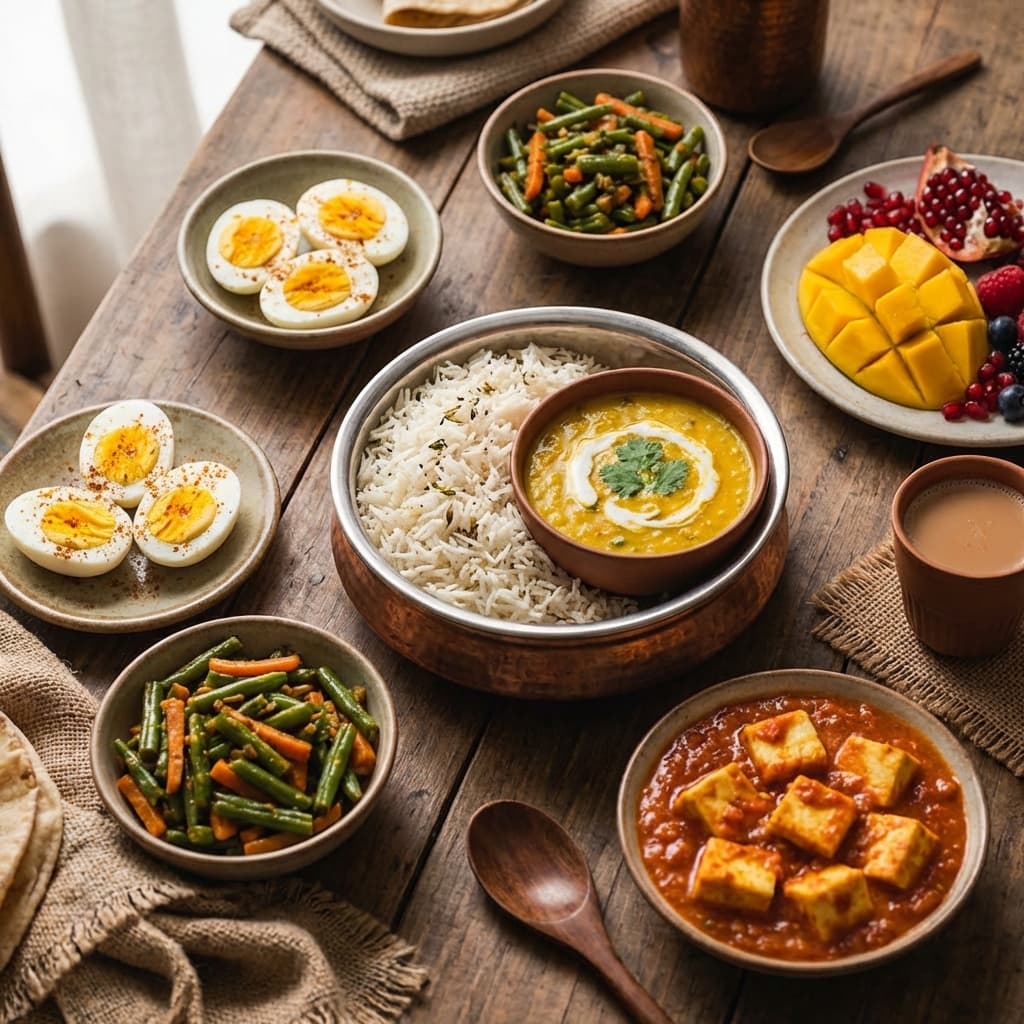
Healthy food background
SAFE βœ…in the MorningLast Updated: 1/12/2026

Can I Eat Curd in the Morning?

Eating curd in the morning can be a healthy and nutritious way to start your day. Its protein content can help keep you feeling full and satisfied, potentially aiding in weight management. The probiotics in curd support gut health, promoting better digestion throughout the day. While generally safe, individuals with lactose intolerance should be mindful of portion sizes or opt for lactose-free varieties.

Key Insight

Curd contains conjugated linoleic acid (CLA), a fatty acid associated with potential benefits in reducing body fat and improving insulin sensitivity, particularly when consumed regularly as part of a balanced diet.

The Science Behind Curd

Curd, a fermented dairy product, boasts a nutritional profile that makes it a valuable addition to the diet, especially when consumed in moderation. Predominantly, it's an excellent source of protein. A 100-gram serving of curd typically provides around 11 grams of high-quality protein, composed of both casein and whey. This protein content is crucial for muscle repair and growth, as well as promoting satiety and helping regulate appetite. Nutrition research indicates that protein-rich foods consumed in the morning can lead to improved appetite control throughout the day.

Beyond protein, curd is a rich source of essential micronutrients. Calcium is abundant, with a 100-gram serving providing approximately 15% of the recommended daily intake. Calcium is vital for bone health, nerve function, and muscle contraction. Curd also contains vitamin B12, important for nerve function and red blood cell formation, especially beneficial for vegetarians who may have limited sources of this vitamin. It's also a good source of phosphorus and potassium, minerals that play key roles in energy metabolism and maintaining healthy blood pressure.

The fermentation process involved in making curd also introduces beneficial probiotics into the mix. These probiotics, like *Lactobacillus* and *Bifidobacterium* species, contribute to a healthy gut microbiome, aiding in digestion, nutrient absorption, and immune function. Clinical studies show that regular consumption of probiotic-rich foods like curd can improve symptoms of irritable bowel syndrome (IBS) and reduce the risk of certain infections.

The Glycemic Index (GI) of curd is estimated to be around 35, classifying it as a low-GI food. This means that it releases glucose into the bloodstream slowly, preventing rapid spikes in blood sugar levels. This characteristic makes it a suitable food choice for individuals with diabetes or insulin resistance. The digestion speed of curd is relatively moderate. The protein and fat content slow down gastric emptying, promoting a feeling of fullness and sustained energy. The metabolic impact of curd consumption includes an increase in thermogenesis (heat production) due to the protein content, potentially contributing to a slight boost in metabolism. However, it's important to note that curd also contains saturated fat, and moderation is key, especially for individuals concerned about heart health. Full-fat curd will have higher caloric content (around 90-100 calories per 100g) and saturated fat compared to low-fat or fat-free options (around 60-70 calories per 100g).

The nutritional composition of curd can vary slightly depending on the type of milk used (cow, buffalo, goat) and the fermentation process. Buffalo milk curd, for instance, tends to have a higher fat content compared to cow milk curd. Choosing low-fat varieties can help reduce calorie intake and saturated fat consumption while still enjoying the benefits of protein, calcium, and probiotics.

🌍

Global & Cultural Insights

Curd, or yogurt as it's known globally, holds a prominent place in various cultures worldwide, both historically and in modern cuisine. Fermented milk products have been consumed for millennia, with evidence dating back to ancient civilizations in the Middle East and Europe. Yogurt was valued for its preservation properties and nutritional benefits. In many cultures, it's a staple food, enjoyed as a breakfast item, a snack, or a key ingredient in savory and sweet dishes. In the Mediterranean region, yogurt is used in sauces like tzatziki and as a topping for grilled meats. In Eastern Europe, it's a key ingredient in cold soups and salads. Central Asia has a variety of yogurt-based drinks like kefir and kumis. In the Indian context, curd (dahi) holds significant cultural and culinary importance. It's considered auspicious in many Hindu traditions and is often used in religious ceremonies. From an Ayurvedic perspective, curd is believed to have cooling properties and is used to balance the body's doshas, although its consumption is traditionally restricted during the night. It's a staple in Indian cuisine, consumed plain, sweetened, or as a key ingredient in various dishes. Raita, a yogurt-based condiment with vegetables and spices, is a common accompaniment to Indian meals. Curd rice, a simple dish made with rice and curd, is a popular comfort food, especially in South India. Lassi, a yogurt-based drink, comes in various flavors like sweet, salted, and mango. Curd is also used in marinades for meats and vegetables, tenderizing them and adding flavor. Its widespread use reflects its versatility and nutritional value in the Indian diet.

Who Should Eat Curd?

For People with Diabetes/Insulin Resistance

Recommended

Curd, with its low glycemic index (GI around 35), is a suitable choice for individuals managing diabetes or insulin resistance. Its protein content can help stabilize blood sugar levels and improve insulin sensitivity. Clinical studies show that fermented dairy products can positively influence glucose metabolism. Opt for plain, unsweetened curd to avoid added sugars. A serving of 150-200 grams in the morning can be beneficial.

Caution

Avoid flavored curds or those with added fruit or sweeteners, as these can significantly increase the sugar content and raise blood glucose levels. Monitor blood sugar levels after consuming curd to assess individual responses. Choose low-fat varieties to manage overall fat intake.

For Weight Loss & Metabolism

Recommended

Curd can be a valuable tool for weight management due to its high protein content (around 11g per 100g serving) and relatively low caloric density. The protein promotes satiety, reducing overall calorie intake throughout the day. It may also increase thermogenesis slightly, contributing to a minor boost in metabolism. A 150-200 gram serving in the morning can help control cravings and support weight loss efforts.

Caution

Be mindful of the fat content in full-fat curd, which contributes to a higher caloric load (90-100 calories per 100g). Opt for low-fat or fat-free varieties to minimize calorie intake. Avoid adding sugary toppings or mix-ins, as these can negate the weight loss benefits. Timing traps include consuming large quantities of curd close to bedtime, which may not be efficiently utilized if you are not active afterwards.

For Athletes & Muscle Gain

Recommended

Curd is an excellent post-workout recovery food due to its protein content. The combination of casein and whey protein provides both fast- and slow-digesting proteins, supporting muscle repair and growth. Consuming 200-250 grams of curd within an hour after a workout can aid in muscle recovery. The calcium and other minerals also contribute to overall recovery and hydration.

Caution

While curd is beneficial post-workout, it may not be ideal immediately before a workout due to its relatively slow digestion. Avoid consuming large quantities of curd right before exercise, as it can cause discomfort. If consuming curd pre-workout, do so at least 2-3 hours before and in smaller portions (around 100g).

For Heart Health & Cholesterol

Recommended

Low-fat or fat-free curd can be included in a heart-healthy diet. Fermented dairy products have been linked to modest improvements in lipid profiles in some studies. Curd is a good source of potassium, which helps regulate blood pressure. A serving of 100-150 grams of low-fat curd can be a part of a balanced dietary approach for heart health.

Caution

Full-fat curd contains saturated fat, which can negatively impact cholesterol levels if consumed in excess. Limit intake of full-fat varieties, especially if you have high cholesterol. Be mindful of the sodium content in some commercially prepared curds, which can be problematic for individuals with high blood pressure. Choose plain, unsalted varieties.

For Digestive Health (Gut)

Recommended

Curd is a probiotic-rich food that can significantly benefit digestive health. The beneficial bacteria present in curd help maintain a healthy gut microbiome, improve digestion, and reduce symptoms of bloating and constipation. Regular consumption of curd can enhance nutrient absorption and strengthen the immune system. A serving of 100-150 grams daily can contribute to improved gut health.

Caution

Some individuals may experience bloating or acidity after consuming curd, particularly those with lactose intolerance or sensitivities to dairy. Start with small portions to assess tolerance. Individuals with histamine intolerance should also exercise caution. While curd can help to alleviate constipation for some, others may experience the opposite effect if they are sensitive to dairy. It’s important to monitor individual responses.

Timing Your Nutrition

βœ…

Best Time

The best time to consume curd is generally during the late morning or afternoon. Consuming curd in the late morning, approximately 2-3 hours after breakfast, allows for better digestion and absorption of nutrients. The probiotic benefits are also optimized during this time, as the gut is more receptive to beneficial bacteria after the initial morning digestive processes.

⚠️

Avoid When

Avoid consuming curd late at night, particularly right before bed. The cooling properties of curd, according to Ayurveda, can aggravate Kapha dosha, potentially leading to congestion or discomfort. Furthermore, digestion slows down during sleep, and the protein and fat content of curd may not be efficiently processed, potentially leading to digestive disturbances and sleep disruption.

🍽️

Pair With

Pairing curd with meals can help lower the glycemic index (GI) of the overall meal. Consuming curd with carbohydrate-rich foods like rice or roti can slow down glucose absorption, preventing rapid spikes in blood sugar levels. Additionally, pairing curd with spices like cumin (jeera) or coriander (dhania) can aid digestion and enhance the flavor profile. Combining curd with fruits like berries can provide additional antioxidants and fiber.

Portion Control

Ideal Serving

The ideal portion size for curd is typically 150-200 grams (approximately ΒΎ to 1 cup). This provides a good balance of protein, calcium, and probiotics without excessive calorie or fat intake.

Max Per Day

The maximum safe limit for curd consumption is generally considered to be around 300-400 grams per day. Exceeding this amount may lead to digestive discomfort, bloating, or increased calorie intake. Individuals with lactose intolerance should consume even smaller portions or opt for lactose-free varieties.

Frequency

Daily consumption of curd is generally safe and beneficial for most individuals. However, it's important to listen to your body and adjust the frequency based on individual tolerance and dietary needs. If you experience any adverse effects, reduce the frequency or consult with a healthcare professional.

Common Myth

"Eating Curd will make you catch a cold."

Not quite true
The Reality

This is a widespread myth. Curd, in itself, does not cause colds. Colds are caused by viral infections. While curd has a cooling effect, as per Ayurveda, it is the viral infection, not the curd, that leads to cold symptoms like congestion and runny nose. In fact, the probiotics in curd can strengthen the immune system and potentially reduce the duration and severity of colds.

Fact Checked

πŸ’‘ Expert Tip

"For enhanced gut health, try making your own curd at home using a traditional method with a small amount of previous-batch curd as a starter. This ensures a diverse and potent probiotic culture. Experiment with adding different herbs and spices like ginger or turmeric during the fermentation process to further boost its health benefits and flavor profile."

Common Questions

Does Curd cause weight gain?

Curd, in itself, is unlikely to cause weight gain when consumed in moderation as part of a balanced diet. Weight gain primarily occurs when you consume more calories than you burn, leading to a calorie surplus. While curd contains calories (around 60-100 calories per 100g, depending on fat content), its high protein content can promote satiety, potentially reducing overall calorie intake. However, regularly consuming large portions of full-fat curd or adding sugary toppings can contribute to a calorie surplus and potentially lead to weight gain. The context of overall dietary habits and physical activity levels is crucial in determining whether curd contributes to weight gain.

Can I eat Curd on an empty stomach?

Consuming curd on an empty stomach is generally not recommended, especially for individuals prone to acidity or heartburn. The acidic nature of curd can irritate the stomach lining and potentially worsen these symptoms. Furthermore, eating curd on an empty stomach can lead to a rapid insulin response, which may not be ideal for individuals with insulin resistance or diabetes. It's best to consume curd after a meal or with other foods to buffer its acidity and moderate the insulin response. While some individuals may tolerate it well, others may experience discomfort.

How does Curd affect sleep?

The effect of curd on sleep can vary depending on individual factors. Consuming curd close to bedtime may disrupt sleep for some individuals due to its protein and fat content, which can slow down digestion. This can lead to discomfort and restless sleep. However, the calcium content in curd may have a calming effect on the nervous system, potentially promoting sleep for others. According to Ayurvedic principles, curd has cooling properties and may aggravate Kapha dosha if consumed at night, leading to congestion and discomfort. Therefore, it is generally advised to avoid consuming curd late at night.

Is Curd good for skin/hair?

Curd offers several benefits for skin and hair due to its rich nutrient content. It contains lactic acid, which acts as a gentle exfoliant, helping to remove dead skin cells and improve skin texture. The probiotics in curd can also contribute to a healthy gut microbiome, which is linked to improved skin health. Curd is a good source of vitamins and minerals, including zinc and vitamin B complex, which are essential for healthy skin and hair growth. Applying curd topically can help moisturize the skin, reduce inflammation, and soothe sunburns. It can also be used as a hair mask to add shine and strengthen hair follicles.

Need a Personalized Diet Plan?

Generalized advice is good, but your body is unique. Upload your recent health report and get AI-powered nutrition guidance tailored specifically to your bloodwork.

Get My Personalized Plan

What Should You Do Next?

Analyze Your Report

Upload your lab PDF to get a full AI breakdown instantly.

Upload PDF

Food Decisions

Confused about what to eat? Check our food guide.

Food Guide

Start Health Journey

Create a personalized profile to track your progress.

Get Started