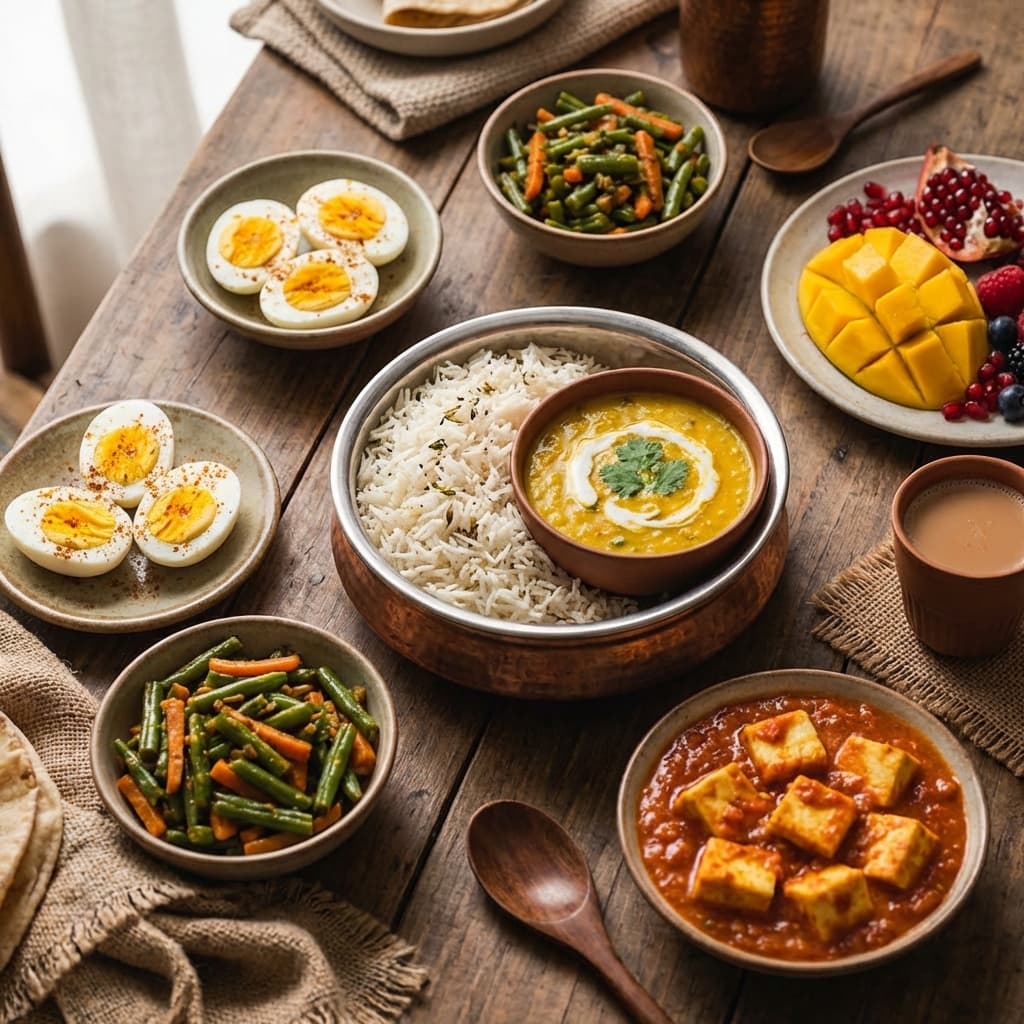
Healthy food background
MODERATE ⚠️at NightLast Updated: 1/12/2026

Can I Eat Grapes at Night?

Eating grapes at night is generally safe for most people, but it's crucial to consider the sugar content and individual sensitivities. While grapes offer antioxidants like resveratrol and essential vitamins, their relatively high glycemic index (GI) can lead to a spike in blood sugar levels. Therefore, moderation and mindful consumption, especially for those with diabetes or insulin resistance, are key. Consider portion size and pairing with protein or healthy fats to mitigate potential blood sugar fluctuations during sleep.

Key Insight

Grapes contain melatonin, a hormone that regulates sleep-wake cycles, potentially making them a sleep-supportive fruit if consumed in moderation.

The Science Behind Grapes

Grapes are a popular fruit packed with nutrients, but understanding their composition is vital for informed consumption. A 1-cup serving (approximately 151 grams) of grapes contains roughly 104 calories, primarily from carbohydrates. These carbohydrates are mainly in the form of natural sugars, including glucose and fructose. Grapes have a glycemic index (GI) ranging from 43 to 53, placing them in the low to medium GI range, depending on the variety and ripeness. However, the glycemic load (GL), which considers portion size, is around 11, suggesting a moderate impact on blood sugar levels.

Macronutrient breakdown per 1-cup serving:

* **Carbohydrates:** ~27.3 grams (mostly sugars)

* **Fiber:** ~1.4 grams

* **Protein:** ~1.1 grams

* **Fat:** ~0.2 grams

Grapes are also a rich source of various micronutrients. Clinical studies show that grapes are an excellent source of vitamin K (crucial for blood clotting and bone health), providing about 28% of the Daily Value (DV) per cup. They also contain vitamin C (an antioxidant and immune booster), copper (essential for iron metabolism), and potassium (important for blood pressure regulation). Nutrition research indicates that grapes are particularly high in polyphenols, including resveratrol, quercetin, and anthocyanins. Resveratrol, found primarily in the skin of grapes, has been extensively studied for its potential antioxidant, anti-inflammatory, and cardioprotective effects. Anthocyanins, responsible for the red and purple hues of certain grapes, are also potent antioxidants. The digestion speed of grapes is relatively quick due to their high water and sugar content. This rapid digestion can lead to a quicker rise in blood sugar compared to foods with higher fiber or fat content. The metabolic impact of grapes is influenced by their sugar content and the individual's insulin sensitivity. While the antioxidants in grapes can improve insulin sensitivity over time, consuming large quantities, especially at night, can potentially disrupt blood sugar control in susceptible individuals. Studies have also explored the impact of grape consumption on gut microbiota, suggesting that certain grape polyphenols can promote the growth of beneficial bacteria. The fiber content, though modest, contributes to gut health. Furthermore, research indicates that grape seed extract, a byproduct of winemaking, may have beneficial effects on blood pressure and cardiovascular health. However, more research is needed to confirm these findings and establish optimal dosages.

🌍

Global & Cultural Insights

Grapes have been cultivated in India for centuries and hold cultural significance, often used in religious ceremonies and traditional medicine. In Ayurveda, grapes are considered to have a cooling and sweet nature, balancing Vata and Pitta doshas. Black grapes are thought to be particularly beneficial for blood purification. In modern Indian cuisine, grapes are enjoyed fresh, used in desserts, and sometimes even added to savory dishes. Consider how grapes fit into your typical Indian diet. If your meals are already carbohydrate-heavy (with rice or roti), be extra mindful of portion sizes. Pairing grapes with a protein-rich dal or yogurt can help balance the meal and prevent blood sugar spikes. Avoid consuming large quantities of grapes with already sugary desserts like gulab jamun or jalebi. Opt for including them in healthier snacks like a fruit salad with a sprinkling of chaat masala for added flavor.

Who Should Eat Grapes?

For People with Diabetes/Insulin Resistance

Recommended

If you have diabetes or insulin resistance, moderation is crucial. Choose green grapes over red or black varieties, as they tend to have a slightly lower GI. Limit your portion to ½ cup (approximately 75 grams) and pair it with a source of protein or healthy fats, such as a handful of almonds or a small serving of cheese. This combination can help slow down glucose absorption and prevent rapid blood sugar spikes.

Caution

Avoid consuming grapes as a standalone snack, especially at night. Monitor your blood sugar levels after consuming grapes to understand your individual response. Be mindful of the potential for increased blood sugar levels and adjust your insulin or medication accordingly, in consultation with your healthcare provider.

For Weight Loss & Metabolism

Recommended

Grapes can be included in a weight loss plan in moderation. Their relatively low caloric density (approximately 69 calories per 100 grams) can provide a sweet treat without significantly impacting your daily calorie intake. The fiber content, though not high, can contribute to feelings of fullness. Focus on incorporating grapes as part of a balanced diet, rather than relying on them as a primary source of nutrients.

Caution

Be cautious of overconsumption due to their high sugar content. Eating large quantities of grapes, especially at night, can contribute to a calorie surplus and potentially hinder weight loss efforts. Avoid drinking grape juice, as it lacks fiber and can lead to a more rapid rise in blood sugar. Also, be aware of 'mindless eating' – it's easy to consume large amounts of grapes without realizing it. Practice mindful eating and portion control.

For Athletes & Muscle Gain

Recommended

Grapes can be a decent source of carbohydrates for athletes, providing energy for workouts and replenishing glycogen stores after exercise. While the protein content is minimal, the antioxidants in grapes can help reduce muscle damage and inflammation associated with intense physical activity.

Caution

Avoid consuming large quantities of grapes immediately before a workout, as the high sugar content can lead to a rapid rise and subsequent drop in blood sugar, potentially affecting performance. Post-workout, prioritize protein intake along with grapes to support muscle recovery and repair. Be mindful of the overall carbohydrate intake and adjust your diet accordingly to meet your energy needs.

For Heart Health & Cholesterol

Recommended

The polyphenols in grapes, particularly resveratrol, have been linked to improved heart health. Studies suggest that resveratrol can lower LDL (bad) cholesterol, reduce blood pressure, and improve blood vessel function. Incorporating grapes as part of a heart-healthy diet, rich in fruits, vegetables, and whole grains, can contribute to overall cardiovascular well-being.

Caution

While grapes are generally low in fat and sodium, be mindful of portion sizes. Excessive consumption of sugary foods can negatively impact lipid profiles. If you are taking medications for high cholesterol or blood pressure, consult with your doctor before significantly increasing your grape intake. The potential interaction between resveratrol and certain medications needs to be considered.

For Digestive Health (Gut)

Recommended

The fiber content in grapes, although modest, contributes to gut health by promoting regular bowel movements. Furthermore, research suggests that certain grape polyphenols can act as prebiotics, nourishing beneficial gut bacteria. Grapes are generally easy to digest for most individuals.

Caution

Some individuals may experience bloating or gas after consuming grapes, especially in large quantities, due to the fermentation of sugars in the gut. If you have Irritable Bowel Syndrome (IBS) or other digestive issues, introduce grapes gradually and monitor your tolerance. Although rare, some people may be allergic to grapes, leading to symptoms such as itching, hives, or digestive upset. If you experience any adverse reactions, discontinue consumption and consult with a healthcare professional.

Timing Your Nutrition

Best Time

The best time to consume grapes is during the day, ideally as part of a meal or snack. Consuming them earlier in the day allows your body to utilize the energy from the sugars throughout the day. Mid-morning or mid-afternoon are optimal times, as they can provide a natural energy boost without significantly impacting blood sugar levels during sleep. Pairing them with a protein source or healthy fat will further stabilize blood sugar.

⚠️

Avoid When

While not strictly forbidden, it's generally advisable to avoid consuming large quantities of grapes right before bed. The high sugar content can lead to a spike in blood sugar, potentially disrupting sleep quality. The rapid digestion of sugars can also cause fluctuations in blood sugar levels throughout the night, which may interfere with sleep. If you crave something sweet at night, opt for a smaller portion and pair it with a source of protein or fat to minimize the impact on blood sugar.

🍽️

Pair With

To optimize the benefits and minimize the potential drawbacks of eating grapes, consider pairing them with meals that contain protein, healthy fats, and fiber. For example, adding grapes to a salad with grilled chicken or feta cheese, or enjoying them with a handful of nuts, can help slow down glucose absorption and prevent rapid blood sugar spikes. Pairing them with meals also aids in better nutrient absorption.

Portion Control

Ideal Serving

The ideal portion size for grapes is ½ cup to 1 cup (approximately 75-150 grams). This provides a reasonable amount of nutrients and antioxidants without excessive sugar intake.

Max Per Day

While there's no strict upper limit, it's generally recommended to limit your daily grape intake to no more than 2 cups (approximately 300 grams), especially if you have diabetes, insulin resistance, or are trying to lose weight. Consuming more than this amount may lead to excessive sugar intake and potential blood sugar fluctuations.

Frequency

Grapes can be enjoyed daily as part of a balanced diet. However, it's important to vary your fruit intake and include a variety of other fruits and vegetables to ensure you are getting a wide range of nutrients.

Common Myth

"Grapes are too high in sugar to be considered a healthy fruit."

Not quite true
The Reality

While grapes do contain sugar, they also offer a wealth of nutrients, including vitamins, minerals, and antioxidants. The key is moderation and mindful consumption. The sugar in grapes is natural and comes packaged with fiber and other beneficial compounds. When consumed in appropriate portions as part of a balanced diet, grapes can contribute to overall health and well-being. The benefits of the phytonutrients outweigh the sugar content for most people.

Fact Checked

💡 Expert Tip

"For a biohacking approach, freeze grapes before consuming them. Freezing slows down the digestion of sugars, leading to a more gradual release of glucose into the bloodstream. This can help minimize blood sugar spikes and provide a more sustained energy boost. Frozen grapes also make for a refreshing and healthy dessert alternative."

Common Questions

Does Grapes cause weight gain?

Grapes themselves don't inherently cause weight gain. Weight gain occurs when you consistently consume more calories than you burn. While grapes contain sugar and calories, they can be part of a balanced diet. However, overconsumption of any food, including grapes, can lead to a calorie surplus and contribute to weight gain. The key is portion control and mindful eating. Also, remember insulin sensitivity plays a role. If your body is more insulin sensitive, it can process the sugar in grapes more efficiently, reducing the likelihood of fat storage. Regular physical activity and a healthy diet are crucial for maintaining a healthy weight, regardless of grape consumption.

Can I eat Grapes on an empty stomach?

Eating grapes on an empty stomach is generally safe for most people, but it may not be ideal for everyone. The high sugar content can lead to a rapid rise in blood sugar, which may be followed by a subsequent crash, potentially causing fatigue or irritability. Some individuals may also experience mild acidity or digestive discomfort. If you have a sensitive stomach or are prone to blood sugar fluctuations, it's best to consume grapes with other foods to slow down glucose absorption. Pairing them with a protein or healthy fat source is a good option.

How does Grapes affect sleep?

Grapes contain melatonin, a hormone that regulates sleep-wake cycles. Therefore, consuming grapes, particularly red varieties with higher melatonin content, *could* potentially promote sleep. However, the sugar content in grapes can also disrupt sleep, especially if consumed in large quantities right before bed. The rapid digestion of sugars can lead to fluctuations in blood sugar levels throughout the night, which may interfere with sleep quality. Moderation is key. If you're looking for a sleep-supportive snack, consider a small portion of grapes paired with a source of protein or fat, such as a handful of almonds or a small serving of cheese.

Is Grapes good for skin/hair?

Grapes contain several nutrients that are beneficial for skin and hair health. The antioxidants in grapes, such as resveratrol and vitamin C, help protect against free radical damage, which can contribute to premature aging and skin damage. Vitamin C is also essential for collagen production, which maintains skin elasticity and firmness. Additionally, grapes contain compounds that promote blood circulation, which can nourish hair follicles and promote hair growth. Grape seed extract, in particular, has been shown to have positive effects on skin health. However, a balanced diet and proper skincare routine are essential for optimal skin and hair health.

Need a Personalized Diet Plan?

Generalized advice is good, but your body is unique. Upload your recent health report and get AI-powered nutrition guidance tailored specifically to your bloodwork.

Get My Personalized Plan

What Should You Do Next?

Analyze Your Report

Upload your lab PDF to get a full AI breakdown instantly.

Upload PDF

Food Decisions

Confused about what to eat? Check our food guide.

Food Guide

Start Health Journey

Create a personalized profile to track your progress.

Get Started