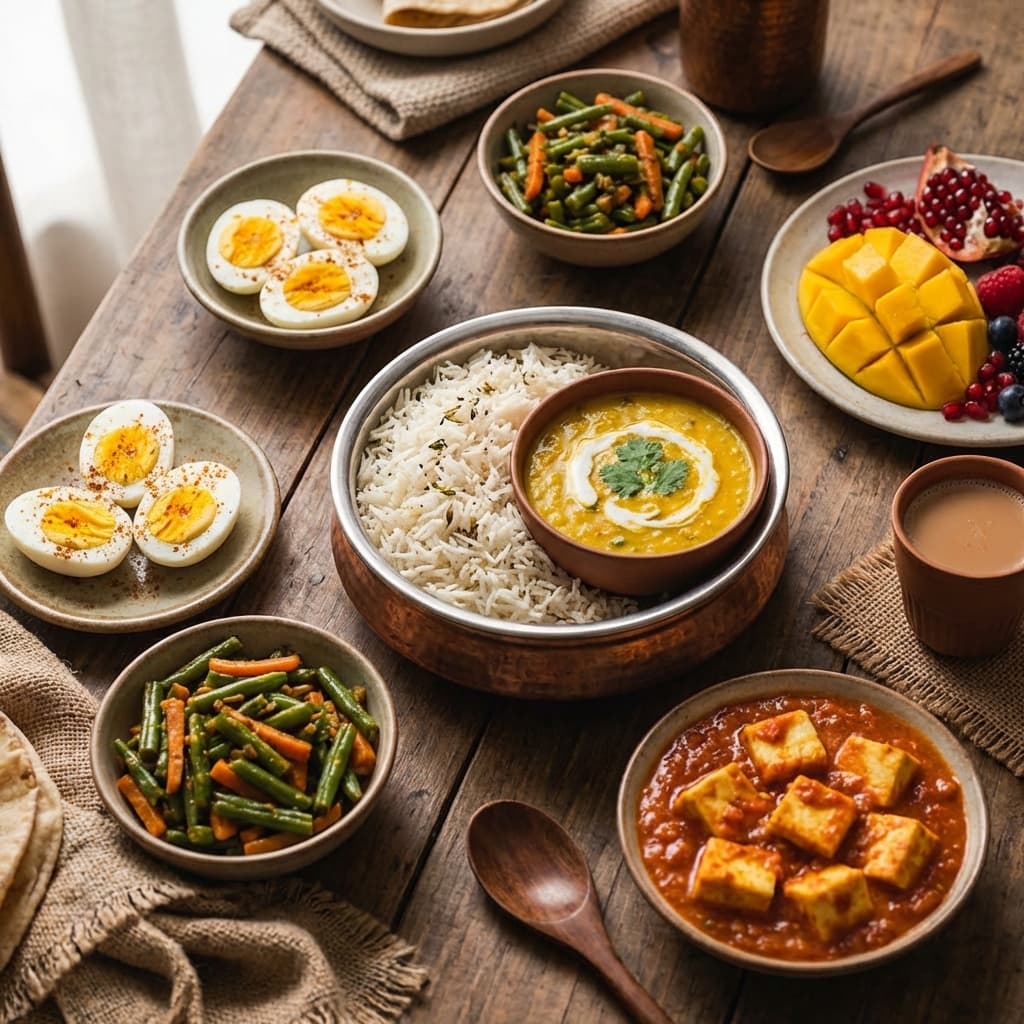
Healthy food background
SAFE ✅After WorkoutLast Updated: 1/12/2026

Can I Eat Rice After Workout?

Eating rice after a workout can be beneficial for replenishing glycogen stores, your body's primary energy source, which are depleted during exercise. Rice, especially white rice, is a readily digestible carbohydrate that can quickly raise blood sugar levels, facilitating the transport of nutrients to muscles for repair and recovery. However, consider the type of rice (brown vs. white), portion size, and overall dietary needs to optimize its impact on your fitness goals. Pairing it with a protein source will further enhance muscle protein synthesis.

Key Insight

The glycemic index (GI) of rice can vary significantly depending on the variety and preparation method. For instance, parboiled rice often has a lower GI than instant rice, making it a more sustained energy source.

The Science Behind Rice

Rice, a staple grain for billions, is primarily composed of carbohydrates, making it a significant energy source. A 100-gram serving of cooked white rice typically contains around 28 grams of carbohydrates, most of which is starch. This starch is broken down into glucose, which fuels various bodily functions, including muscle contractions during exercise. Rice also contains small amounts of protein (around 2.7 grams per 100g serving of cooked white rice), though not a complete protein source, meaning it doesn't contain all nine essential amino acids in sufficient quantities. Brown rice has a higher protein content, closer to 7g per 100g cooked.

The micronutrient profile of rice varies depending on the type. Brown rice is generally richer in vitamins and minerals compared to white rice due to the presence of the bran and germ layers, which are removed during the milling process to produce white rice. Brown rice provides manganese (around 55% of the daily value per cup), magnesium (around 21% of the daily value per cup), phosphorus (around 16% of the daily value per cup), and selenium (around 14% of the daily value per cup). White rice, being processed, has significantly lower amounts of these nutrients but is often enriched with iron and B vitamins, like folic acid.

The Glycemic Index (GI) of rice is a crucial factor to consider, especially post-workout. White rice typically has a high GI, ranging from 64 to 89, depending on the variety and cooking method. Clinical studies show that high GI foods consumed after exercise can rapidly replenish glycogen stores, aiding in recovery. Brown rice, due to its higher fiber content, generally has a lower GI, usually between 50 and 55. Nutrition research indicates that while brown rice provides more sustained energy, white rice's rapid glucose release can be more beneficial immediately post-workout for quicker glycogen replenishment. The amylose to amylopectin ratio in rice starch also influences its GI. Rice varieties with a higher amylose content tend to have a lower GI. Parboiled rice tends to have a lower GI than other white rice varieties.

Digestion speed is another key consideration. White rice is easily digestible, allowing for rapid absorption of glucose into the bloodstream. This rapid absorption is beneficial post-workout, providing muscles with the glucose they need to recover and rebuild. Brown rice, with its higher fiber content, digests more slowly, leading to a more gradual release of glucose. This slower digestion can be advantageous for sustained energy levels throughout the day but might not be as effective immediately post-workout when rapid glycogen replenishment is desired. The metabolic impact of rice depends on individual factors such as insulin sensitivity, activity level, and overall dietary intake. For individuals with insulin resistance, consuming large amounts of high-GI rice could lead to blood sugar spikes and potentially contribute to weight gain. However, for athletes with high energy demands, the readily available glucose from rice can be efficiently utilized to fuel muscle recovery and performance. Clinical studies have also shown that consuming rice with protein after a workout can enhance muscle protein synthesis, leading to improved muscle recovery and growth.

🌍

Global & Cultural Insights

Rice is a global staple, deeply ingrained in the culinary traditions of numerous cultures. From the sushi rice of Japan to the paella of Spain, its versatility is evident. In East Asia, rice is the foundation of many meals, often served alongside stir-fries, curries, and soups. In Latin America, rice and beans form a common pairing, providing a complete protein source. Historically, rice cultivation dates back thousands of years, playing a significant role in the development of civilizations. It has been a symbol of prosperity, fertility, and nourishment in many societies. In India, rice holds a particularly prominent place in the culinary landscape and cultural heritage. It is a staple food across the country, with regional variations in preparation and consumption. In South India, rice is a cornerstone of meals, often served with sambar, rasam, and various vegetable curries. Biryani, a fragrant rice dish cooked with meat or vegetables and spices, is a beloved delicacy throughout India. The Ayurvedic perspective views rice as a sattvic (pure and balanced) food, promoting mental clarity and physical well-being. Traditionally, rice has been used in rituals and ceremonies, symbolizing abundance and auspiciousness. Different types of rice are used in Indian cuisine, including basmati rice (known for its aroma and long grains), sona masuri (a light and easily digestible rice), and brown rice (valued for its nutritional benefits). Various forms of rice are used, including plain rice, pulao (rice cooked with vegetables), and khichdi (a comforting dish made with rice and lentils). Roti, a flatbread made from wheat flour, is often considered the main grain in North India, but rice is still a significant part of the diet, especially during special occasions and festive meals.

Who Should Eat Rice?

For People with Diabetes/Insulin Resistance

Recommended

Opt for brown rice or parboiled rice due to their lower glycemic index (GI). Portion control is crucial. Combine rice with protein and fiber-rich vegetables to further reduce the glycemic impact.

Caution

Avoid large servings of white rice, especially instant rice, as they can cause rapid spikes in blood sugar levels. Monitor blood glucose levels closely after consuming rice and adjust portion sizes accordingly. Limit rice consumption to once or twice a week.

For Weight Loss & Metabolism

Recommended

Choose brown rice over white rice due to its higher fiber content, which promotes satiety and helps control appetite. Be mindful of portion sizes and caloric density. Track your calorie intake and ensure you're in a calorie deficit for weight loss. Consider having smaller portions pre-workout to fuel the workout, and larger portions post-workout to replenish glycogen.

Caution

Avoid late-night consumption of rice, as it can contribute to weight gain if you're not actively using the energy. Do not rely solely on rice as your primary source of carbohydrates; incorporate a variety of other nutrient-rich options.

For Athletes & Muscle Gain

Recommended

White rice can be an excellent post-workout choice for its rapid glycogen replenishment properties. Combine it with a protein source, such as chicken, fish, or lentils, to maximize muscle protein synthesis and recovery. Brown rice can be a good option for sustained energy throughout the day.

Caution

Avoid consuming large amounts of rice without adequate protein intake, as this can hinder muscle recovery. Pay attention to individual tolerance and adjust carbohydrate intake based on training intensity and volume. Pre-workout, stick to complex carbohydrates like brown rice for sustained energy, and save the simple carbs like white rice for post-workout recovery.

For Heart Health & Cholesterol

Recommended

Brown rice is a better choice for heart health due to its higher fiber content, which can help lower LDL cholesterol levels. Limit your intake of processed white rice, which can contribute to elevated triglyceride levels. Choose rice varieties naturally low in sodium.

Caution

Be mindful of added fats and sodium when preparing rice dishes. Avoid adding excessive amounts of butter, oil, or salt. If you have high cholesterol, monitor your lipid profile regularly and adjust your rice intake accordingly. Processed rice products like flavored rice mixes are often high in sodium.

For Digestive Health (Gut)

Recommended

White rice is generally easier to digest than brown rice due to its lower fiber content. It can be a good option for individuals with digestive issues such as irritable bowel syndrome (IBS) or inflammatory bowel disease (IBD) during flare-ups. Consider soaking rice before cooking to improve digestibility.

Caution

Brown rice, while nutritious, can be difficult to digest for some individuals due to its high fiber content. Start with small portions and gradually increase as tolerated. If you experience bloating, gas, or discomfort after consuming rice, reduce your intake or choose white rice. Some individuals find that rice bran can trigger digestive issues.

Timing Your Nutrition

Best Time

The best time to consume rice, especially white rice, after a workout is within the first 30-60 minutes, often referred to as the 'anabolic window.' During this period, your muscles are most receptive to nutrient uptake, making it ideal for replenishing glycogen stores and initiating muscle recovery. The rapid digestion and absorption of white rice facilitate a quick insulin response, which helps transport glucose and amino acids to muscle cells.

⚠️

Avoid When

Avoid consuming large quantities of rice right before bedtime. Since your metabolic rate slows down during sleep, the excess glucose from rice may not be efficiently utilized and could be stored as fat. This is especially true for individuals who are sedentary or have insulin resistance. It's better to opt for lighter, protein-rich meals in the evening.

🍽️

Pair With

To lower the glycemic impact of rice, especially white rice, pair it with protein and healthy fats. For example, consume rice with grilled chicken or fish and a side of vegetables. Adding vinegar or lemon juice to the meal can also help reduce the glycemic response. Fiber-rich vegetables such as broccoli, spinach, or carrots can further slow down glucose absorption. Including foods with resistant starch can also help; resistant starch passes through the digestive system undigested, acting like fiber.

Portion Control

Ideal Serving

The ideal portion size of cooked rice post-workout depends on your individual caloric needs, activity level, and body weight. A general recommendation is 0.5-1 gram of carbohydrates per kilogram of body weight. For example, a 70kg individual might consume 35-70 grams of cooked rice, which translates to approximately 1/2 to 1 cup of cooked rice.

Max Per Day

The maximum safe limit for rice consumption depends on your overall carbohydrate intake and individual tolerance. As a general guideline, avoid exceeding 2 cups (approximately 400 grams cooked) of rice per meal. Excessive consumption of rice can lead to blood sugar spikes, digestive discomfort, and potential weight gain if not balanced with other nutrients and physical activity.

Frequency

For athletes and active individuals, rice can be consumed daily, especially after workouts, to support glycogen replenishment and muscle recovery. However, for individuals with diabetes or insulin resistance, rice consumption should be limited to 2-3 times per week, with careful attention to portion size and glycemic impact. For general health, incorporating a variety of grains and carbohydrate sources is recommended.

Common Myth

"Rice is a fattening food and should be completely avoided for weight loss."

Not quite true
The Reality

While it's true that excessive calorie intake from any source, including rice, can lead to weight gain, rice itself is not inherently fattening. The type of rice, portion size, and overall dietary context are crucial factors. Brown rice, with its higher fiber content, can actually promote satiety and support weight loss. Consuming rice in moderation as part of a balanced diet and active lifestyle is perfectly compatible with weight management.

Fact Checked

💡 Expert Tip

"For maximizing the benefits of rice post-workout, consider pre-soaking your rice for at least 30 minutes before cooking. This process can help reduce phytic acid, an antinutrient that can inhibit the absorption of certain minerals. Additionally, adding a small amount of coconut oil during cooking and then refrigerating the rice for at least 12 hours can increase the amount of resistant starch, further lowering the glycemic impact."

Common Questions

Does Rice cause weight gain?

Rice, in itself, doesn't inherently cause weight gain. Weight gain occurs when you consume more calories than you burn, creating a calorie surplus. If you consume large portions of rice without balancing it with physical activity and other nutrients, it can contribute to a calorie surplus and potentially lead to weight gain. The glycemic index (GI) of rice also plays a role. High-GI rice can cause rapid spikes in blood sugar and insulin levels, which may promote fat storage if the glucose isn't utilized for energy. However, when consumed in moderation as part of a balanced diet and active lifestyle, rice can be a healthy source of carbohydrates without necessarily leading to weight gain.

Can I eat Rice on an empty stomach?

Eating rice on an empty stomach is generally not recommended, especially if you have a sensitive digestive system. While rice is relatively easy to digest, consuming it on an empty stomach can lead to a rapid spike in blood sugar levels, followed by a crash. This can trigger an insulin response, which may lead to feelings of fatigue and hunger shortly after. For some individuals, it can also cause acidity or heartburn. It's better to consume rice as part of a balanced meal with protein, fats, and fiber to slow down digestion and stabilize blood sugar levels.

How does Rice affect sleep?

The effect of rice on sleep depends on the type of rice, the timing of consumption, and individual factors. White rice, due to its high glycemic index, can cause a rapid increase in blood sugar followed by a subsequent drop, which may disrupt sleep for some individuals. Brown rice, with its lower glycemic index, provides a more sustained release of glucose and may be less likely to interfere with sleep. Eating a large meal containing rice close to bedtime can also disrupt sleep due to the digestive process. Consuming rice earlier in the evening and pairing it with protein and healthy fats can help mitigate these effects.

Is Rice good for skin/hair?

Rice contains several micronutrients that can contribute to skin and hair health. Brown rice is a good source of selenium, an antioxidant that can protect skin cells from damage. Rice bran oil, extracted from the outer layer of rice, is rich in vitamin E and antioxidants, which can promote skin hydration and reduce inflammation. Rice water, the starchy water left over after cooking rice, is often used as a hair rinse to strengthen hair and add shine. It contains inositol, a carbohydrate that can help repair damaged hair. Rice also contains B vitamins, which are important for maintaining healthy skin and hair.

Need a Personalized Diet Plan?

Generalized advice is good, but your body is unique. Upload your recent health report and get AI-powered nutrition guidance tailored specifically to your bloodwork.

Get My Personalized Plan

What Should You Do Next?

Analyze Your Report

Upload your lab PDF to get a full AI breakdown instantly.

Upload PDF

Food Decisions

Confused about what to eat? Check our food guide.

Food Guide

Start Health Journey

Create a personalized profile to track your progress.

Get Started