
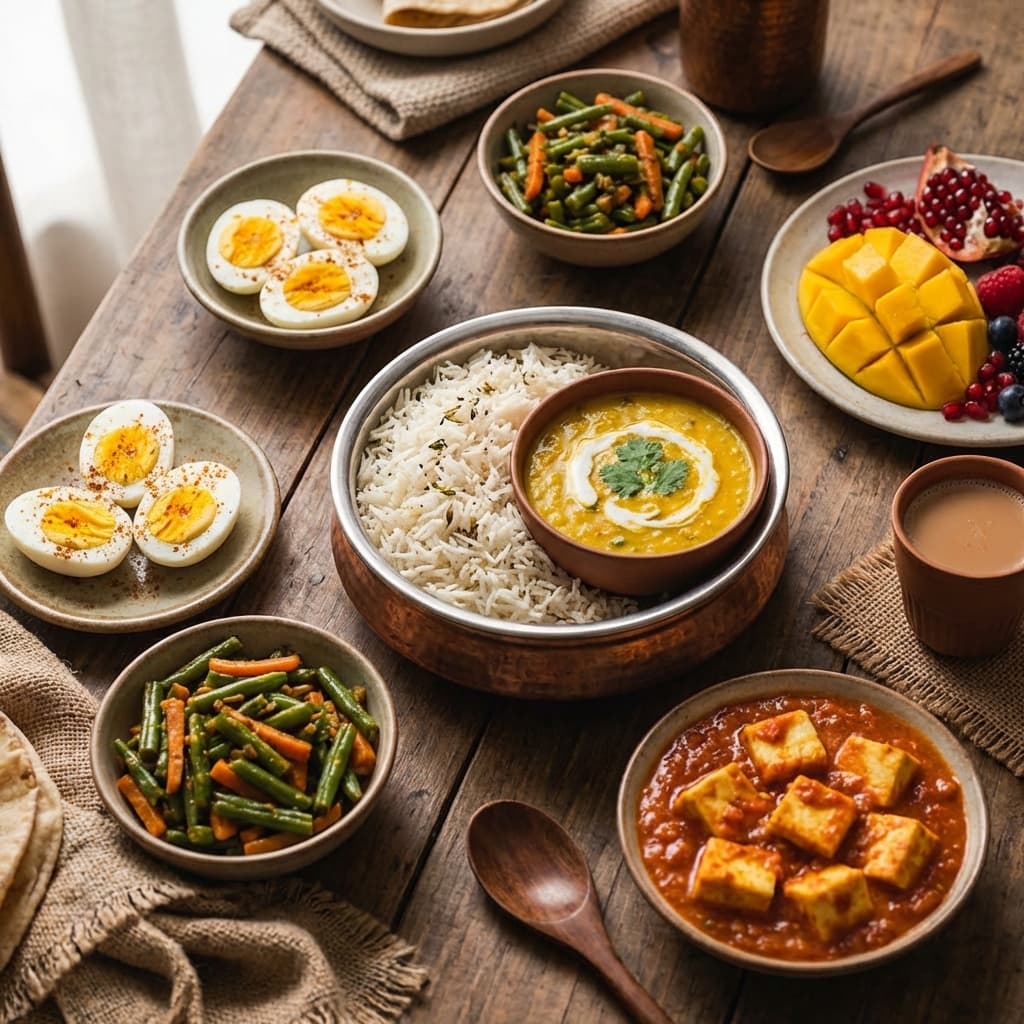
The Science Behind Rice
Rice, a staple grain for billions, is primarily composed of carbohydrates. A 100-gram serving of cooked white rice contains approximately 28 grams of carbohydrates, primarily in the form of starch. This starch is further broken down into glucose, the body's primary energy source. The glycemic index (GI) of white rice typically ranges from 64 to 89, classifying it as a medium to high GI food, meaning it can cause a rapid increase in blood sugar levels. Brown rice, on the other hand, has a GI ranging from 50 to 55, making it a low to medium GI choice due to its higher fiber content.
Beyond carbohydrates, rice also provides small amounts of protein, typically around 2.7 grams per 100-gram serving, and negligible amounts of fat (around 0.3 grams). However, its micronutrient profile varies depending on the variety. Brown rice is a good source of magnesium (approx. 44mg per 100g), manganese (approx. 1.1mg per 100g), phosphorus (approx. 115mg per 100g), and selenium (approx. 14mcg per 100g). White rice loses some of these nutrients during processing, although it is often fortified with iron and B vitamins.
Nutrition research indicates that the digestion speed of rice is influenced by its amylose and amylopectin content. Amylose, a resistant starch, digests slowly, contributing to a lower GI. Amylopectin, conversely, digests rapidly, leading to a quicker glucose release. Clinical studies show that rice varieties with a higher amylose content are associated with improved blood sugar control and reduced postprandial insulin response. Furthermore, the cooking method also plays a role. Cooling cooked rice before consumption can increase the formation of resistant starch, further lowering its GI. The metabolic impact of rice consumption is primarily related to its effect on blood sugar and insulin levels. Frequent consumption of high-GI rice, particularly without adequate fiber or protein, can contribute to insulin resistance and an increased risk of type 2 diabetes. However, moderate consumption of lower-GI rice varieties, especially when combined with a balanced diet and regular physical activity, can be part of a healthy eating pattern.