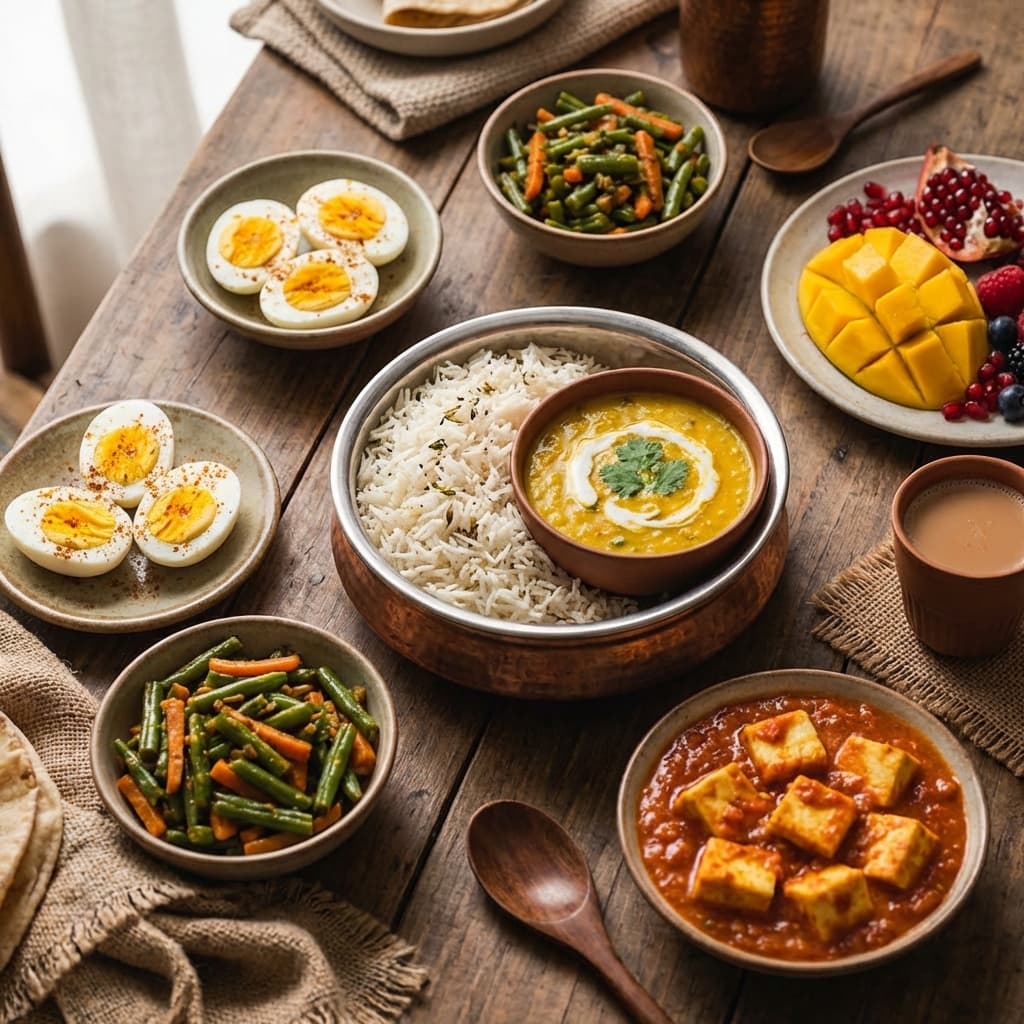
Healthy food background
MODERATE ⚠️in the MorningLast Updated: 1/12/2026

Can I Eat Rice in the Morning?

Eating rice in the morning is generally acceptable, especially for individuals with high energy demands or those accustomed to it as a staple. However, the type of rice, portion size, and what you pair it with are crucial for optimal health outcomes. Brown rice offers more fiber and sustained energy compared to white rice, which can lead to rapid blood sugar spikes. Consider your activity levels and individual health conditions before making rice a regular part of your breakfast.

Key Insight

The glycemic index (GI) of rice can be significantly lowered by cooking and cooling it before consumption, a process called starch retrogradation, which creates resistant starch that your body doesn't digest, reducing its blood sugar impact.

The Science Behind Rice

Rice is a staple grain for billions worldwide, primarily composed of carbohydrates, providing the body with its primary energy source. A 100-gram serving of cooked white rice contains approximately 28 grams of carbohydrates, primarily starch, with a small amount of sugars. Brown rice, in contrast, offers a slightly lower carbohydrate content (around 23 grams per 100 grams cooked) but significantly more fiber (around 1.8 grams compared to 0.4 grams in white rice). This fiber content is crucial for slowing down glucose absorption, preventing rapid blood sugar spikes.

In terms of micronutrients, rice provides several essential vitamins and minerals, although their levels vary depending on the type of rice. Brown rice is a better source of magnesium (44mg per 100g, roughly 11% DV), manganese (1.8mg per 100g, exceeding the daily value), and selenium. White rice, especially enriched varieties, may be fortified with iron and B vitamins like thiamin, niacin, and folate. However, the milling process that produces white rice removes the bran and germ, stripping away a significant portion of these nutrients. Clinical studies show that populations relying heavily on unenriched white rice are at higher risk of nutrient deficiencies like beriberi (thiamin deficiency).

The Glycemic Index (GI) of rice is a significant factor to consider, especially when consuming it in the morning. White rice typically has a GI ranging from 64 to 89, depending on the variety and cooking method, classifying it as a medium to high GI food. This means it can cause a rapid increase in blood sugar levels after consumption. Brown rice, with a GI ranging from 50 to 55, generally has a lower glycemic impact due to its higher fiber content. Parboiled rice (converted rice), also has a lower GI compared to other forms of white rice. Nutrition research indicates that consuming high GI foods in the morning can lead to energy crashes later in the day and may contribute to insulin resistance over time.

Digestion of rice begins in the mouth with salivary amylase breaking down starches into simpler sugars. The process continues in the small intestine where pancreatic amylase further digests these sugars. The rate of digestion is significantly influenced by the type of rice and the presence of other nutrients in the meal. Fiber-rich brown rice digests more slowly than white rice, leading to a more gradual and sustained release of glucose into the bloodstream. The metabolic impact of rice consumption is directly related to its effect on blood sugar and insulin levels. Frequent consumption of high GI rice, especially in the absence of adequate fiber, protein, and healthy fats, can contribute to weight gain, insulin resistance, and an increased risk of type 2 diabetes. Therefore, selecting the right type of rice and pairing it with complementary foods is crucial for optimizing its metabolic impact.

🌍

Global & Cultural Insights

Rice holds immense cultural and historical significance across the globe. From Asia to Latin America, it serves as a cornerstone of numerous cuisines and traditions. In many Asian countries, rice is more than just food; it's a symbol of prosperity, fertility, and life itself, often incorporated into religious ceremonies and festivals. The cultivation of rice has shaped landscapes and economies for centuries. In many cultures, different varieties of rice are associated with specific dishes or occasions, reflecting the diverse culinary traditions and agricultural practices of different regions. In the Indian context, rice is a staple food across most states, with variations in preparation and consumption reflecting regional diversity. In South India, rice is the foundation of dishes like *idli*, *dosa*, and various *rice meals*, often accompanied by *sambar*, *rasam*, and *curd*. In Eastern India, rice is a key component of meals, particularly in Bengal, where it is paired with fish curries and lentil soups. In North India, rice is often served alongside *dal*, *vegetable curries*, and *yogurt*. Ayurvedic principles recognize the cooling properties of rice, making it a suitable food for balancing *pitta dosha*. Different varieties of rice are believed to have different effects on the body, with basmati rice considered easily digestible and suitable for all *doshas*. Rice is also used in various traditional Indian sweets and desserts, showcasing its versatility and cultural importance.

Who Should Eat Rice?

For People with Diabetes/Insulin Resistance

Recommended

If you have diabetes or insulin resistance, consuming rice in the morning requires careful consideration. Opt for brown rice, basmati rice, or parboiled rice due to their lower GI. Pair rice with protein-rich foods like eggs, lentils, or lean meats to further slow down glucose absorption. Clinical studies consistently demonstrate that combining carbohydrates with protein and fiber significantly reduces postprandial blood glucose spikes.

Caution

Avoid white rice and large portions, as they can cause rapid blood sugar spikes. Monitor your blood glucose levels after consuming rice to understand your individual response. Do not exceed 1/2 cup (cooked) portion of brown rice without balancing it with protein and fibrous vegetables. Uncontrolled blood sugar spikes can worsen insulin resistance and increase the risk of diabetic complications.

For Weight Loss & Metabolism

Recommended

Rice can be included in a weight loss plan if consumed strategically. Brown rice is a better choice than white rice due to its higher fiber content, which promotes satiety and helps control appetite. Its lower GI also contributes to more stable energy levels throughout the morning, preventing cravings and overeating. A systematic review published in the *American Journal of Clinical Nutrition* found a weak but positive correlation between whole grain consumption and healthy weight management.

Caution

Timing traps to avoid: Consuming rice as a standalone breakfast can lead to a mid-morning energy crash and increased cravings later in the day.

For Athletes & Muscle Gain

Recommended

Rice can be a valuable source of carbohydrates for athletes and those looking to gain muscle. It provides a readily available source of energy to fuel workouts and replenish glycogen stores after exercise. White rice, with its higher GI, can be beneficial post-workout for rapid glycogen replenishment. Brown rice offers a more sustained energy release for pre-workout fueling.

Caution

While rice provides carbohydrates, it is relatively low in protein (around 2-3 grams per 100 grams). Ensure you consume adequate protein from other sources to support muscle growth and repair. Time your rice consumption strategically around your workouts. White rice is best consumed post-workout for rapid glycogen replenishment while brown rice might be suitable before a long steady state workout. Pre-workout timing should be at least 1-2 hours before exercise to avoid digestive discomfort during training. Avoid adding excessive amounts of fat, which can slow down the absorption of nutrients needed for recovery.

For Heart Health & Cholesterol

Recommended

Brown rice can contribute to heart health due to its fiber content, which helps lower LDL cholesterol levels. Studies suggest that replacing refined grains with whole grains, like brown rice, can improve lipid profiles and reduce the risk of cardiovascular disease. Brown rice contains antioxidants like lignans, which may also offer cardioprotective benefits.

Caution

Be mindful of sodium content, especially if you are cooking rice with added salt or using pre-packaged flavored rice. High sodium intake can increase blood pressure, negating the potential heart-healthy benefits of brown rice. Limit your intake of processed rice products and opt for cooking rice at home to control sodium levels. Be cautious of adding high fat sauces or dressings to rice, as saturated and trans fats can negatively impact cholesterol levels.

For Digestive Health (Gut)

Recommended

The fiber in brown rice promotes healthy digestion and regular bowel movements. It acts as a prebiotic, feeding beneficial gut bacteria and supporting a healthy gut microbiome. The resistant starch formed in cooked and cooled rice can further enhance gut health by promoting the growth of beneficial bacteria. A healthy gut can improve nutrient absorption and enhance the body's immune function.

Caution

Some individuals may experience bloating or gas after consuming rice, especially if they are not accustomed to a high-fiber diet. Start with small portions of brown rice and gradually increase your intake to allow your digestive system to adapt. Individuals with irritable bowel syndrome (IBS) may need to carefully monitor their rice intake, as it can trigger symptoms in some people. If you experience frequent digestive issues after consuming rice, consult with a healthcare professional to rule out any underlying conditions. Rice can also be acidic for some, especially if not cooked properly.

Timing Your Nutrition

Best Time

The best time to consume rice, particularly brown rice, is earlier in the day, such as breakfast or lunch. This allows your body ample time to digest the carbohydrates and utilize the energy throughout the day. Consuming rice earlier aligns with your body's natural circadian rhythm, when insulin sensitivity is generally higher, facilitating better glucose metabolism.

⚠️

Avoid When

Strictly avoid consuming large portions of rice late at night, especially white rice. At night, your metabolism slows down, and insulin sensitivity decreases. This means that the carbohydrates from rice are more likely to be stored as fat rather than being used for energy. Furthermore, consuming a heavy carbohydrate meal before bed can disrupt sleep quality due to fluctuations in blood sugar levels.

🍽️

Pair With

To optimize the health benefits of rice and minimize its glycemic impact, pair it with protein and healthy fats. Adding lean protein sources like eggs, tofu, or grilled chicken can slow down glucose absorption and promote satiety. Including healthy fats like avocado, nuts, or olive oil can further stabilize blood sugar levels and improve nutrient absorption. For example, having rice with scrambled eggs and avocado is a balanced breakfast option.

Portion Control

Ideal Serving

The ideal portion size of cooked rice for breakfast is approximately 1/2 to 3/4 cup (approximately 75-110 grams). This provides a moderate amount of carbohydrates without causing excessive blood sugar spikes. For brown rice, slightly larger portions (up to 1 cup) may be acceptable due to its higher fiber content.

Max Per Day

The maximum safe limit for rice consumption at breakfast is 1 cup (approximately 150 grams). Exceeding this amount can lead to excessive calorie intake and potential blood sugar imbalances, especially if you have diabetes or insulin resistance. Consider adjusting your portion size based on your individual activity level and health conditions.

Frequency

Rice can be consumed daily as part of a balanced diet, but it's essential to vary your grain sources. Incorporating other grains like oats, quinoa, and barley can provide a wider range of nutrients and prevent over-reliance on rice. Prioritize brown rice over white rice and practice mindful portion control.

Common Myth

"Rice is inherently unhealthy and should be completely avoided for weight loss."

Not quite true
The Reality

This is a misconception. Rice, especially brown rice, can be a part of a healthy diet and weight loss plan. The key is to choose the right type (brown rice over white rice), control portion sizes, and pair it with other nutrient-rich foods. It's not rice itself that leads to weight gain, but rather an overall calorie surplus and unhealthy eating habits.

Fact Checked

💡 Expert Tip

"Try cooking your rice the day before and refrigerating it overnight. This increases the amount of resistant starch, which has a lower glycemic impact and acts as a prebiotic, promoting gut health. Reheat it gently before consuming."

Common Questions

Does Rice cause weight gain?

Rice, like any other food, can contribute to weight gain if consumed in excess of your daily calorie needs. The key to weight management is maintaining a calorie deficit, meaning you burn more calories than you consume. While rice is calorie-dense, it can be part of a weight-loss diet if portion sizes are controlled and it's incorporated into a balanced meal. It's not rice itself that causes weight gain, but rather a consistent calorie surplus, regardless of the source. Moreover, the type of rice matters. Refined white rice is digested faster, spiking insulin which can promote fat storage. Brown rice's fiber and slower digestion is less prone to this issue.

Can I eat Rice on an empty stomach?

Eating rice on an empty stomach can lead to a rapid increase in blood sugar levels, particularly if you consume white rice. This can trigger an insulin surge, followed by a potential energy crash later on. Furthermore, the rapid digestion of carbohydrates on an empty stomach may not provide sustained satiety, potentially leading to overeating later in the day. Some individuals may also experience mild stomach discomfort or acidity if they consume a large serving of rice on an empty stomach. Pairing it with protein and fat can mitigate these effects.

How does Rice affect sleep?

While rice is often considered a neutral food in terms of sleep, its effect can vary depending on the individual and the type of rice consumed. High GI rice, like white rice, can cause rapid blood sugar fluctuations that may disrupt sleep if consumed close to bedtime. However, some studies suggest that consuming rice an hour or two before bed might promote sleep due to its potential to increase tryptophan levels, a precursor to melatonin, the sleep hormone. For optimal sleep, opt for brown rice earlier in the day or consume a small portion of white rice with protein and healthy fats a few hours before bed.

Is Rice good for skin/hair?

Rice, particularly brown rice, contains several nutrients that can contribute to healthy skin and hair. It is a source of B vitamins, which play a role in cell growth and repair, and can promote healthy skin and hair follicles. Brown rice also contains antioxidants like selenium and manganese, which can protect skin cells from damage caused by free radicals. Additionally, rice water, the starchy liquid left over after cooking rice, is sometimes used topically as a skin and hair treatment due to its potential soothing and moisturizing properties.

Need a Personalized Diet Plan?

Generalized advice is good, but your body is unique. Upload your recent health report and get AI-powered nutrition guidance tailored specifically to your bloodwork.

Get My Personalized Plan

What Should You Do Next?

Analyze Your Report

Upload your lab PDF to get a full AI breakdown instantly.

Upload PDF

Food Decisions

Confused about what to eat? Check our food guide.

Food Guide

Start Health Journey

Create a personalized profile to track your progress.

Get Started