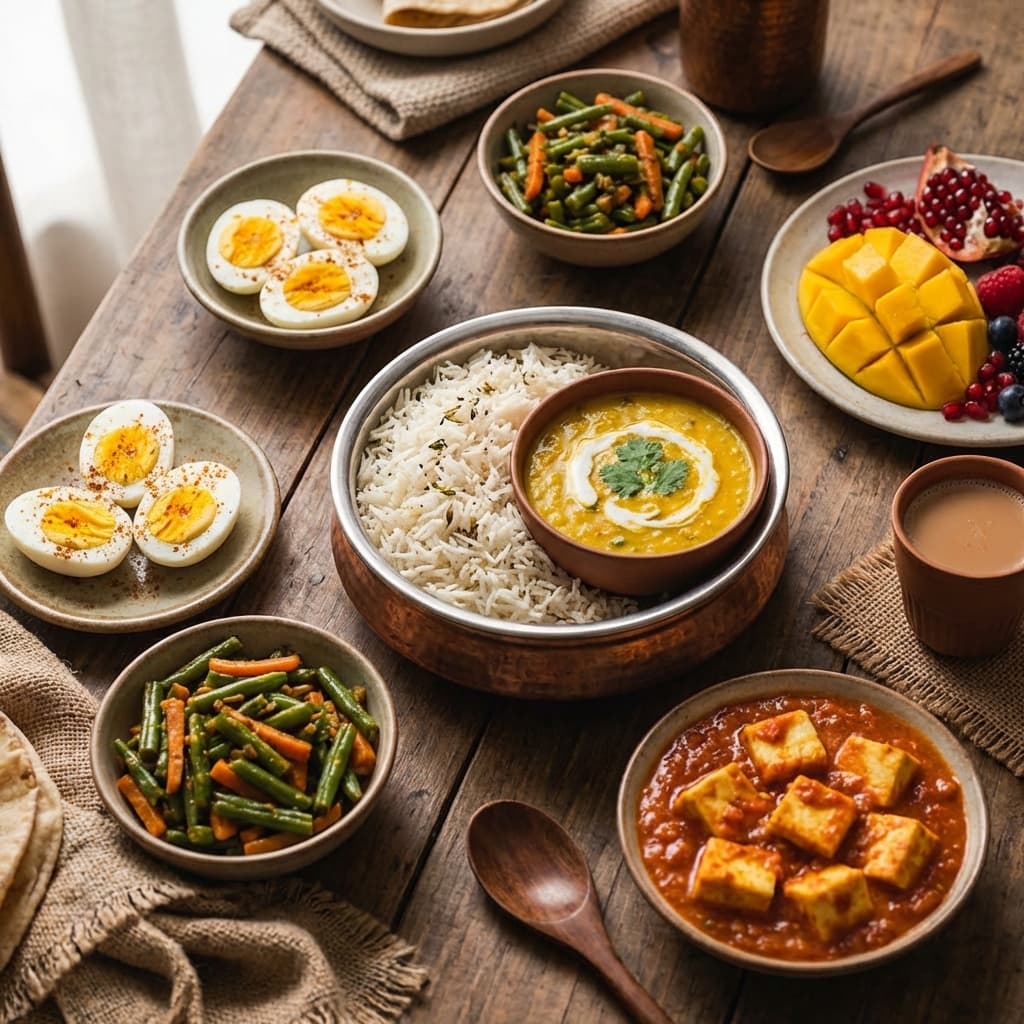
Healthy food background
SAFE ✅Last Updated: 1/12/2026

Can I Eat Tofu ?

Yes, you can eat tofu anytime as it's a versatile and nutritious plant-based protein source. Tofu offers a complete protein profile, essential minerals, and isoflavones that contribute to overall health. Its relatively low glycemic index makes it suitable for various dietary needs, and it can be incorporated into meals at any time of the day. However, mindful consumption based on individual needs and preferences is always recommended.

Key Insight

Tofu contains phytoestrogens called isoflavones, which mimic estrogen in the body and may offer benefits like improved bone health and reduced risk of certain cancers, although individual responses can vary.

The Science Behind Tofu

Tofu, derived from soybean curd, is a nutritional powerhouse. A 100-gram serving of firm tofu typically contains around 8 grams of protein, making it a complete protein source with all nine essential amino acids. These amino acids are crucial for muscle building, repair, and overall bodily functions. It also provides approximately 4 grams of fat, primarily polyunsaturated and monounsaturated fats, known for their heart-healthy benefits. The carbohydrate content is minimal, usually around 2 grams, with a significant portion being fiber, which aids in digestion and promotes satiety. The glycemic index (GI) of tofu is very low, estimated to be around 15, indicating a slow release of glucose into the bloodstream, making it suitable for individuals managing blood sugar levels.

Micronutrient-wise, tofu is a good source of iron, calcium, manganese, selenium, and phosphorus. Iron is essential for oxygen transport, calcium for bone health, manganese for enzyme function, selenium for antioxidant defense, and phosphorus for energy production. Tofu also contains isoflavones, plant compounds that mimic estrogen. Clinical studies show that isoflavones may have various health benefits, including reducing the risk of heart disease, certain cancers (breast and prostate), and osteoporosis. However, the effects of isoflavones can vary among individuals due to differences in gut bacteria and estrogen receptor sensitivity.

Nutrition research indicates that tofu consumption can contribute to improved lipid profiles. Studies suggest that soy protein, including that found in tofu, can help lower LDL (bad) cholesterol levels and increase HDL (good) cholesterol levels. This effect is attributed to the presence of isoflavones and other bioactive compounds in soybeans. Additionally, the digestion speed of tofu is relatively moderate. Its fiber content slows down the absorption of nutrients, preventing rapid spikes in blood sugar levels. The metabolic impact of tofu is generally positive, contributing to improved insulin sensitivity and reduced inflammation. However, it's important to note that some individuals may experience digestive discomfort, such as bloating or gas, after consuming tofu, especially if they are not accustomed to eating soy products regularly. This can be mitigated by starting with small portions and gradually increasing intake.

🌍

Global & Cultural Insights

Tofu, while not traditionally a staple in Indian cuisine, is gaining popularity as a versatile and healthy protein source. It can be seamlessly integrated into Indian dishes, offering a plant-based alternative to paneer or meat. Tofu can be crumbled and added to vegetable curries, used as a filling for parathas, or incorporated into stir-fries with Indian spices. In Ayurvedic terms, tofu is considered a Sattvic food, promoting clarity and balance. However, some Ayurvedic practitioners recommend consuming it in moderation, especially for individuals with Vata or Kapha doshas. When incorporating tofu into an Indian diet, consider pairing it with roti or rice for a complete and balanced meal. Experiment with different Indian spices and cooking techniques to create delicious and nutritious tofu-based dishes that align with your individual preferences and dietary needs.

Who Should Eat Tofu?

For People with Diabetes/Insulin Resistance

Recommended

Tofu is an excellent choice for individuals with diabetes or insulin resistance due to its low glycemic index (GI of around 15) and high protein content. It helps stabilize blood sugar levels and provides sustained energy. Incorporating tofu into meals can help prevent post-meal glucose spikes. Opt for minimally processed tofu varieties and avoid those with added sugars or high-sodium sauces.

Caution

While tofu is generally safe, be mindful of portion sizes, especially if you are also consuming other carbohydrate-rich foods. Monitor your blood sugar levels after consuming tofu to understand its individual impact on your glucose response. Avoid deep-fried tofu or those prepared with sugary marinades.

For Weight Loss & Metabolism

Recommended

Tofu can be a valuable addition to a weight loss diet due to its relatively low caloric density (around 76 calories per 100g) and high protein content. Protein promotes satiety, helping you feel fuller for longer and reducing overall calorie intake. Tofu's fiber content further contributes to satiety and supports healthy digestion. Its versatility allows for incorporation into various dishes, making it easy to adhere to a calorie-controlled diet.

Caution

Avoid fried tofu or dishes with high-calorie sauces, as these can significantly increase the overall calorie content. Be mindful of portion sizes, as excessive consumption, even of healthy foods, can hinder weight loss efforts. Focus on incorporating tofu into balanced meals with plenty of vegetables and whole grains.

For Athletes & Muscle Gain

Recommended

Tofu is a fantastic protein source for athletes and those looking to build muscle. With approximately 8 grams of protein per 100g, it provides essential amino acids necessary for muscle repair and growth. Consuming tofu after workouts can aid in muscle recovery and reduce muscle soreness. Its easily digestible nature allows for quick absorption of nutrients.

Caution

While tofu is a complete protein source, athletes with high protein needs may need to supplement with other protein sources to meet their daily requirements. Consider combining tofu with other protein-rich foods like lentils, beans, or chicken. Avoid relying solely on tofu as your only protein source.

For Heart Health & Cholesterol

Recommended

Tofu has been shown to have a positive impact on heart health and cholesterol levels. Studies suggest that soy protein, including that found in tofu, can help lower LDL (bad) cholesterol and increase HDL (good) cholesterol. Its low saturated fat content further contributes to heart health. The isoflavones in tofu may also have antioxidant and anti-inflammatory properties that protect against heart disease.

Caution

Choose tofu varieties that are low in sodium. Avoid those marinated in high-sodium sauces or prepared with excessive salt. While tofu is generally low in fat, be mindful of the cooking methods used, as frying can significantly increase the fat content. Limit your intake of processed soy products, which may contain added sugars and unhealthy fats.

For Digestive Health (Gut)

Recommended

Tofu contains a moderate amount of fiber, which promotes healthy digestion and supports a balanced gut microbiome. The fiber content aids in regular bowel movements and prevents constipation. Tofu is also relatively easy to digest for most individuals.

Caution

Some individuals may experience bloating or gas after consuming tofu, especially if they are not accustomed to eating soy products regularly. Start with small portions and gradually increase intake to allow your digestive system to adapt. If you have a known soy allergy or sensitivity, avoid tofu consumption. Consider fermented soy products like tempeh or natto, which may be easier to digest due to the fermentation process.

Timing Your Nutrition

Best Time

There isn't a single 'best time' to eat tofu, as it's a versatile food that can be incorporated into meals throughout the day. However, consuming tofu as part of a balanced breakfast can provide sustained energy and promote satiety, helping you stay full until lunchtime. Including tofu in your lunch or dinner can contribute to your daily protein intake and support muscle maintenance and repair.

⚠️

Avoid When

There's no specific time to strictly avoid tofu. However, individuals with specific digestive issues or sensitivities might prefer to avoid large portions of tofu late at night, as it could potentially interfere with digestion and sleep. It's best to listen to your body and adjust your tofu consumption based on your individual tolerance.

🍽️

Pair With

To maximize the benefits of tofu, pair it with other nutrient-rich foods. Combining tofu with complex carbohydrates like brown rice, quinoa, or whole-wheat bread provides a balanced meal that supports sustained energy levels. Adding vegetables like broccoli, spinach, or bell peppers increases the fiber and micronutrient content of the meal. Consider adding healthy fats like avocado or olive oil to enhance nutrient absorption and promote satiety.

Portion Control

Ideal Serving

An ideal portion of tofu is typically around 100-150 grams (approximately 3.5-5 ounces). This provides a good source of protein (8-12 grams) and essential nutrients without being overly calorie-dense.

Max Per Day

While tofu is generally safe, excessive consumption (over 300 grams per day) may lead to digestive discomfort or hormonal imbalances due to its isoflavone content. It's best to consume tofu in moderation as part of a balanced diet.

Frequency

Tofu can be consumed daily or several times a week as part of a healthy diet. The frequency depends on individual needs and preferences. If you enjoy tofu and tolerate it well, you can incorporate it into your diet regularly.

Common Myth

"Tofu is only for vegans and vegetarians."

Not quite true
The Reality

While tofu is a popular plant-based protein source for vegans and vegetarians, it can be enjoyed by anyone. Tofu is a versatile and nutritious food that can be incorporated into a variety of dishes, regardless of dietary preferences. Many meat-eaters enjoy tofu as a healthy and flavorful alternative to meat in certain recipes.

Fact Checked

💡 Expert Tip

"Marinate tofu for at least 30 minutes (or overnight) before cooking to enhance its flavor and texture. Use a marinade with umami-rich ingredients like soy sauce, ginger, garlic, and sesame oil to create a delicious and flavorful tofu dish. Pressing the tofu before marinating helps remove excess water, allowing it to absorb the marinade more effectively."

Common Questions

Does Tofu cause weight gain?

Tofu itself does not directly cause weight gain. Weight gain occurs when you consume more calories than you burn, leading to a calorie surplus. Tofu, with its relatively low calorie density and high protein content, can actually be a helpful food for weight management. It promotes satiety, helping you feel fuller for longer and reducing overall calorie intake. However, if you consume large portions of tofu or prepare it with high-calorie ingredients like fried coatings or sugary sauces, it could contribute to a calorie surplus and potentially lead to weight gain. The key is to consume tofu in moderation as part of a balanced diet and to be mindful of how it's prepared.

Can I eat Tofu on an empty stomach?

Eating tofu on an empty stomach is generally safe for most individuals. However, some people may experience mild digestive discomfort, such as bloating or gas, if they are not accustomed to eating soy products. Tofu has a relatively low glycemic index, so it's unlikely to cause a rapid spike in blood sugar levels. However, if you have a sensitive digestive system, you may prefer to consume tofu with other foods to slow down digestion and minimize potential discomfort. Additionally, some individuals may find that the taste or texture of tofu is more appealing when combined with other flavors and ingredients.

How does Tofu affect sleep?

Tofu may indirectly affect sleep due to its nutrient content. Tofu contains tryptophan, an amino acid that is a precursor to serotonin and melatonin, both of which play a role in regulating sleep. However, the amount of tryptophan in tofu is relatively small, so it's unlikely to have a significant impact on sleep for most individuals. Eating a large meal, including tofu, right before bed could potentially interfere with sleep due to the digestive process. It's generally recommended to allow a few hours between your last meal and bedtime to promote restful sleep.

Is Tofu good for skin/hair?

Tofu can contribute to healthy skin and hair due to its micronutrient content. It contains selenium, an antioxidant that protects against cell damage and supports healthy skin. Tofu also provides iron, which is essential for oxygen transport and can help prevent hair loss. The protein in tofu is crucial for building and repairing tissues, including those in the skin and hair. Additionally, the isoflavones in tofu may have anti-inflammatory properties that can benefit skin health. However, it's important to note that individual responses to tofu can vary, and a balanced diet with a variety of nutrient-rich foods is essential for optimal skin and hair health.

Need a Personalized Diet Plan?

Generalized advice is good, but your body is unique. Upload your recent health report and get AI-powered nutrition guidance tailored specifically to your bloodwork.

Get My Personalized Plan

What Should You Do Next?

Analyze Your Report

Upload your lab PDF to get a full AI breakdown instantly.

Upload PDF

Food Decisions

Confused about what to eat? Check our food guide.

Food Guide

Start Health Journey

Create a personalized profile to track your progress.

Get Started