
The Science Behind Dosa
Dosa, primarily made from fermented rice and lentils, is a staple in South Indian cuisine. Its nutritional profile is largely defined by these two ingredients. A typical dosa (approximately 80g) contains roughly 120-150 calories. The macronutrient composition is predominantly carbohydrates, ranging from 20-25g per dosa, with a smaller amount of protein (3-4g) and fat (2-3g). The fat content can vary significantly depending on the cooking method and the amount of oil or ghee used.
Rice contributes primarily carbohydrates, which are quickly digested and absorbed, leading to a relatively high glycemic index (GI). While the exact GI of dosa can vary based on the rice variety and preparation methods, it generally falls in the medium to high range (around 60-70). Clinical studies show that consuming high GI foods can lead to rapid spikes in blood sugar levels, followed by a subsequent crash, potentially impacting energy levels and satiety.
The lentil component adds protein and fiber to the dosa. Lentils are a good source of lysine, an essential amino acid often lacking in rice. The fermentation process further enhances the nutritional value by increasing the bioavailability of nutrients like iron, zinc, and B vitamins. Nutrition research indicates that fermentation also reduces the levels of phytates, which are compounds that can inhibit the absorption of certain minerals.
Dosa also provides some micronutrients. It contains small amounts of iron, calcium, potassium, and B vitamins like thiamin, riboflavin, and niacin. The specific micronutrient content depends on the type of lentils and rice used. For example, brown rice will contribute more fiber and minerals compared to white rice.
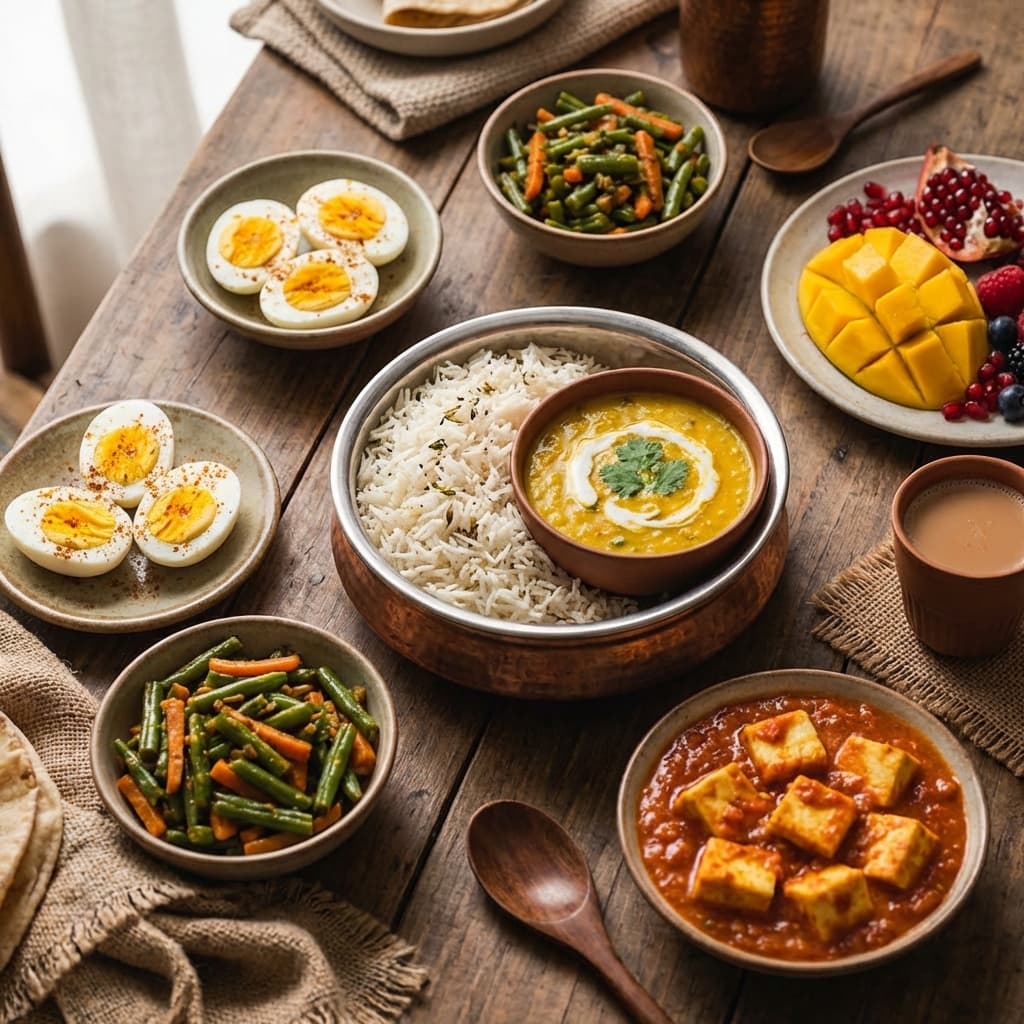
The digestion speed of dosa is relatively fast due to its high carbohydrate content. This can lead to a quick release of glucose into the bloodstream. The metabolic impact is largely influenced by the glycemic response and the individual's insulin sensitivity. Consuming dosa with protein and fiber-rich sides can help slow down digestion and mitigate the glycemic impact. The fermentation also aids in digestion, making dosa easier to process for some individuals. However, excessive consumption, especially without adequate protein and fiber, can contribute to insulin resistance over time. Studies also show that the fermentation process can produce small amounts of alcohol, though the quantities are negligible and do not pose a health risk.