
The Science Behind Rice
Rice, a staple food for billions, comes in various forms, each with distinct nutritional profiles. The primary component of rice is carbohydrates, predominantly starch. White rice, the most commonly consumed variety, is highly processed, removing the bran and germ, which strips away much of the fiber, vitamins, and minerals. A 100g serving of cooked white rice contains approximately 130 calories, 28g of carbohydrates, 0.3g of fiber, and 2.7g of protein. Its Glycemic Index (GI) is relatively high, ranging from 64 to 89, depending on the variety and cooking method. This means that white rice is quickly digested and absorbed, leading to a rapid increase in blood glucose levels.
Brown rice, in contrast, retains the bran and germ, making it a more nutritious option. A 100g serving of cooked brown rice contains about 111 calories, 23g of carbohydrates, 1.8g of fiber, and 2.6g of protein. Its GI is lower than white rice, typically ranging from 50 to 55. Brown rice is also a good source of manganese, selenium, magnesium, and B vitamins.
Nutrition research indicates that the resistant starch content in rice can be increased by cooking it and then cooling it in the refrigerator for at least two hours before consumption. This process retrogrades the starch, making it less digestible and thus lowering the GI. Clinical studies show that consuming rice prepared in this manner can improve insulin sensitivity and blood sugar control, particularly in individuals with diabetes or insulin resistance.
The digestibility of rice also depends on the variety and cooking method. Short-grain rice tends to be stickier and more easily digested, while long-grain rice is less sticky and digests more slowly. Overcooking rice can gelatinize the starch, making it more rapidly absorbed and increasing its glycemic impact. Parboiled rice, also known as converted rice, undergoes a steaming process before milling, which drives nutrients from the bran into the grain, resulting in a higher nutritional value compared to regular white rice. It also has a lower GI.
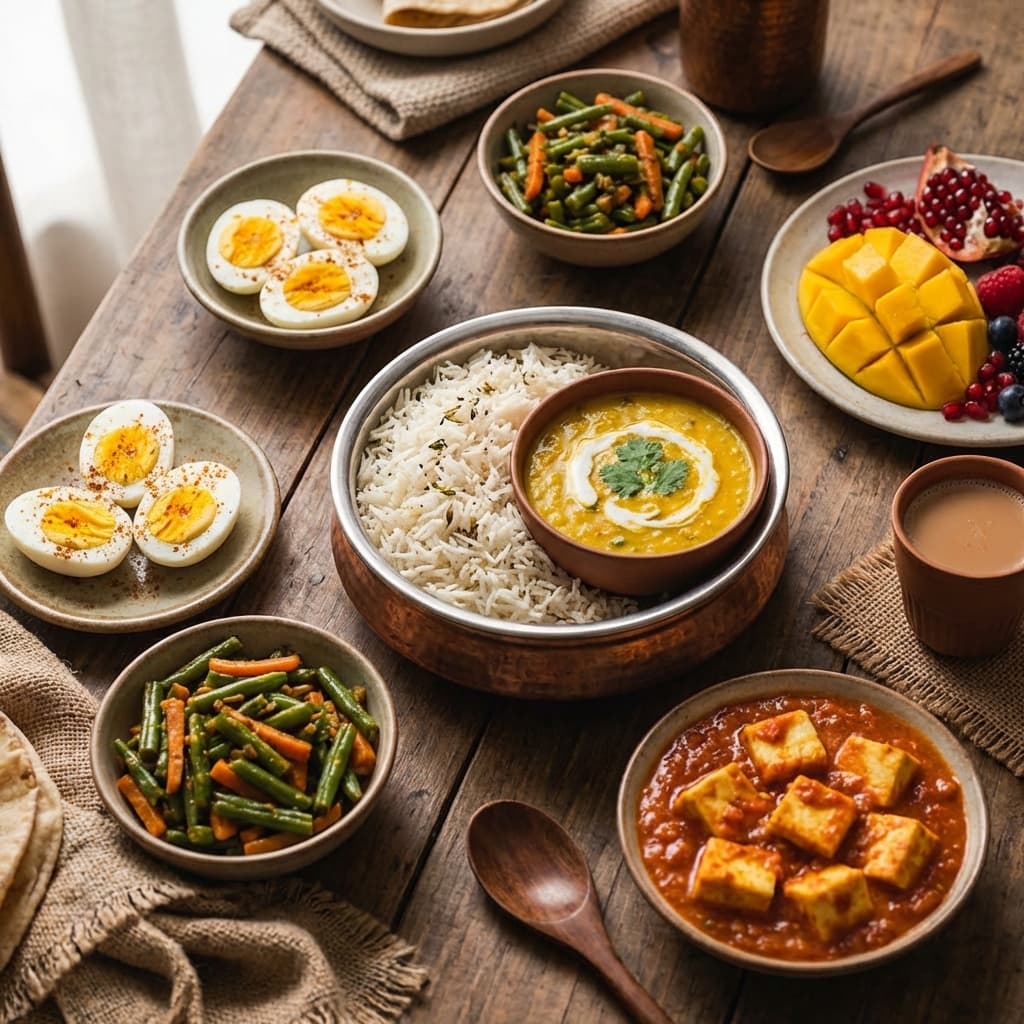
Furthermore, the metabolic impact of rice consumption is influenced by the overall dietary context. Consuming rice with sources of protein, healthy fats, and fiber can help slow down carbohydrate absorption and mitigate blood sugar spikes. For example, eating rice with lentils (dal), vegetables, and a small amount of ghee (clarified butter) is a traditional Indian practice that promotes balanced blood sugar response and satiety.