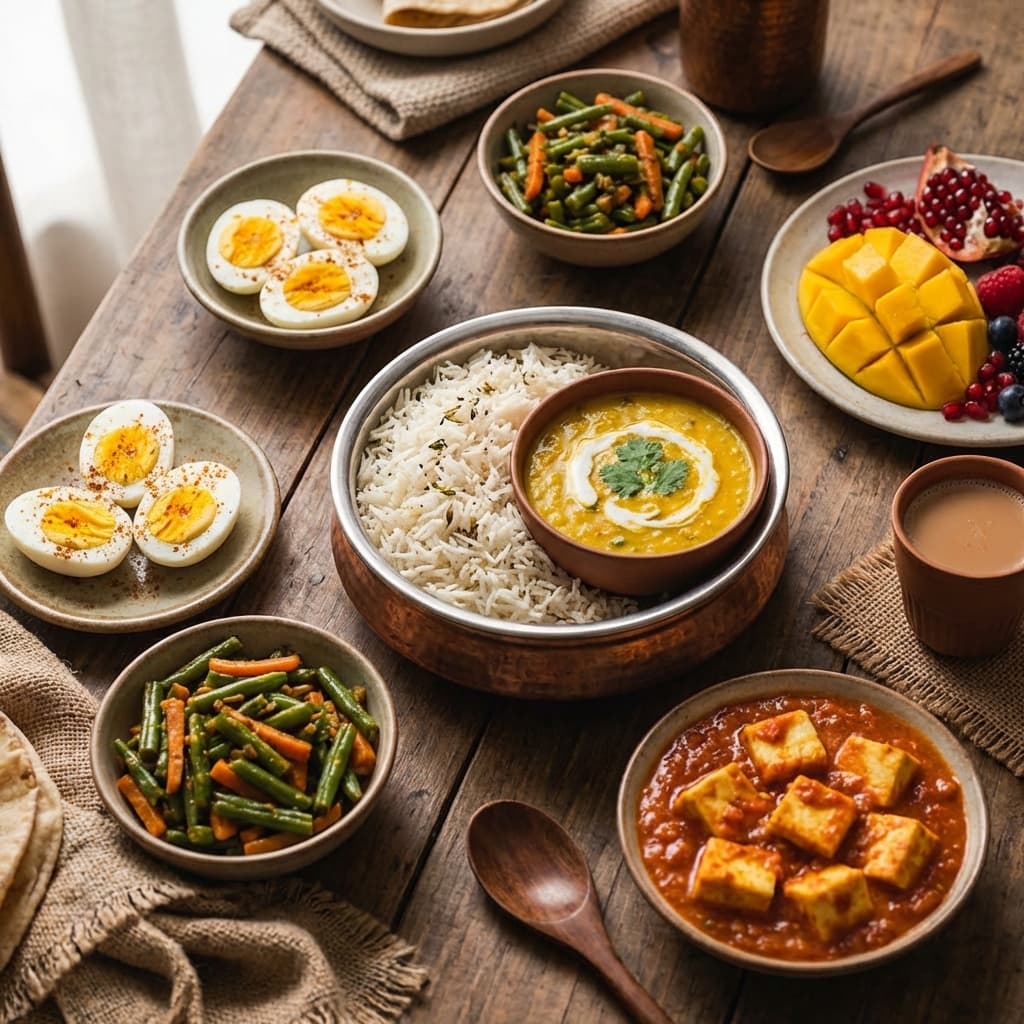
Healthy food background
MODERATE ⚠️at NightLast Updated: 1/12/2026

Can I Eat Roti at Night?

Eating roti at night can be perfectly acceptable, especially if you manage your portion sizes and choose the right type of flour. Whole wheat roti provides fiber, which aids digestion and promotes satiety, potentially assisting with weight management. However, consuming large quantities of refined flour roti late at night can lead to blood sugar spikes and may negatively impact sleep quality and weight. Prioritize whole grains and mindful portion control for optimal health benefits.

Key Insight

The impact of roti on your body at night significantly varies depending on the type of flour used. For example, while whole wheat roti offers sustained energy release due to its complex carbohydrates, roti made from refined flour (maida) results in a rapid insulin spike, potentially disrupting sleep and long-term metabolic health.

The Science Behind Roti

Roti, a staple in many Indian households, is primarily composed of carbohydrates, providing the body with energy. The nutritional profile of roti varies significantly depending on the type of flour used. Whole wheat roti, made from atta, is a good source of complex carbohydrates, dietary fiber, vitamins, and minerals. A typical 6-inch whole wheat roti (approximately 30 grams) contains roughly 70-80 calories, 15g of carbohydrates (of which 2-3g is fiber), 3g of protein, and 0.5g of fat. It also provides small amounts of iron, magnesium, and B vitamins like folate and niacin.

Nutrition research indicates that the glycemic index (GI) of roti can range from 50 to 70, depending on the flour type and preparation method. Whole wheat roti generally has a lower GI compared to roti made from refined flour (maida), which can have a GI closer to 70-75. A lower GI means that the carbohydrates are digested and absorbed more slowly, leading to a gradual rise in blood sugar levels. This is beneficial for maintaining stable energy levels and preventing insulin spikes.

The fiber content in whole wheat roti plays a crucial role in digestion. Fiber adds bulk to the stool, promoting regular bowel movements and preventing constipation. It also helps to slow down the absorption of glucose, contributing to better blood sugar control. Furthermore, fiber can increase feelings of fullness, which may aid in weight management.

Clinical studies show that regular consumption of whole grains, like whole wheat, is associated with a reduced risk of chronic diseases such as type 2 diabetes, heart disease, and certain types of cancer. The beneficial effects are attributed to the synergistic action of fiber, vitamins, minerals, and antioxidants present in whole grains.

However, roti made from refined flour lacks many of the nutritional benefits of whole wheat roti. Refined flour is stripped of its bran and germ during processing, resulting in a lower fiber content and a higher GI. This can lead to rapid spikes in blood sugar levels, followed by a crash, which can leave you feeling tired and hungry. Furthermore, refined flour roti is less filling and may contribute to weight gain if consumed in excess.

The digestion speed of roti depends on its composition. Whole wheat roti takes longer to digest due to its fiber content, providing a sustained release of energy. In contrast, refined flour roti is digested more quickly, leading to a faster rise and fall in blood sugar levels. The metabolic impact of roti consumption is influenced by factors such as portion size, individual metabolism, and overall dietary pattern. Consuming roti as part of a balanced meal, with protein and healthy fats, can help to moderate its impact on blood sugar levels and promote satiety.

🌍

Global & Cultural Insights

Roti holds a significant place in Indian cuisine and culture, often serving as a staple food in many households. Traditionally, it's made fresh daily and enjoyed with a variety of curries, dals, and vegetables. In Ayurveda, roti, particularly when made from whole wheat, is considered a nourishing food that balances the Vata dosha. However, its impact on Kapha dosha should be considered, especially in individuals prone to weight gain. In modern India, the combination of roti and rice in a single meal is common. While this isn't inherently harmful, it can lead to excessive carbohydrate intake. It's important to be mindful of portion sizes and choose whole grains whenever possible to maintain a healthy balance in your diet.

Who Should Eat Roti?

For People with Diabetes/Insulin Resistance

Recommended

Choose whole wheat roti over refined flour roti due to its lower glycemic index (GI). Opt for smaller portion sizes (1-2 rotis) and pair it with protein-rich foods like dal, yogurt, or vegetables. Monitor your blood sugar levels after meals to assess your individual response to roti.

Caution

Avoid consuming large quantities of roti, especially those made from refined flour, at night. This can lead to significant blood sugar spikes and potentially worsen insulin resistance. Be wary of pre-made roti, which may contain added sugars or unhealthy fats.

For Weight Loss & Metabolism

Recommended

Roti can be included in a weight loss diet, but portion control is crucial. Choose whole wheat roti for its higher fiber content, which promotes satiety and can help you feel fuller for longer. Combine roti with lean protein and vegetables to create a balanced and satisfying meal. A single roti has around 70-80 calories, so factor that into your daily caloric intake.

Caution

Avoid consuming roti with high-calorie gravies or fried foods, as this can negate the benefits of the roti itself. Be mindful of the overall calorie content of your meal and avoid overeating. Eating large portions of roti late at night, when your metabolism is slower, can contribute to weight gain.

For Athletes & Muscle Gain

Recommended

Roti can be a good source of carbohydrates for athletes and individuals looking to gain muscle mass. Carbohydrates provide energy for workouts and help to replenish glycogen stores after exercise. Whole wheat roti also contains a small amount of protein (around 3g per roti), which contributes to muscle repair and growth. Pair roti with protein-rich foods like chicken, fish, or lentils to maximize muscle-building potential.

Caution

Avoid consuming large quantities of roti immediately before a workout, as this can lead to digestive discomfort. A small portion of roti (1-2 rotis) can be consumed 1-2 hours before exercise to provide sustained energy. After a workout, combine roti with a protein source to aid in muscle recovery.

For Heart Health & Cholesterol

Recommended

Whole wheat roti can be beneficial for heart health due to its fiber content. Fiber helps to lower LDL (bad) cholesterol levels and reduce the risk of heart disease. Choose whole wheat roti over refined flour roti to maximize these benefits. Prepare roti with minimal oil or ghee to reduce saturated fat intake.

Caution

Be mindful of the sodium content of your overall meal, as many Indian dishes are high in sodium. Limit your intake of processed foods and sodium-rich condiments. If you have high cholesterol, consult with a healthcare professional or registered dietitian for personalized dietary advice.

For Digestive Health (Gut)

Recommended

The fiber in whole wheat roti promotes healthy digestion by adding bulk to the stool and preventing constipation. It also feeds beneficial gut bacteria, contributing to a healthy gut microbiome. Consuming roti with yogurt or probiotic-rich foods can further enhance digestive health.

Caution

Some individuals may experience bloating or gas after consuming roti, especially if they are not accustomed to eating high-fiber foods. Start with small portions and gradually increase your intake to allow your digestive system to adjust. If you have celiac disease or gluten sensitivity, avoid roti made from wheat flour and opt for gluten-free alternatives like jowar or bajra roti.

Timing Your Nutrition

Best Time

The best time to consume roti is during lunch or early evening. During these times, your metabolism is generally more active, allowing your body to efficiently process the carbohydrates. Eating roti earlier in the day also provides you with sustained energy throughout your daily activities.

⚠️

Avoid When

Avoid consuming large portions of roti late at night, especially close to bedtime. Your metabolism slows down during sleep, and consuming a heavy carbohydrate-rich meal can lead to blood sugar spikes, which may disrupt sleep quality and contribute to weight gain. If you must eat roti at night, opt for a smaller portion and choose whole wheat roti over refined flour roti.

🍽️

Pair With

Pair roti with protein-rich foods like dal, chicken, fish, or yogurt to help stabilize blood sugar levels and promote satiety. Adding healthy fats, such as avocado or a small amount of ghee, can further enhance the nutritional value of your meal and slow down the absorption of carbohydrates.

Portion Control

Ideal Serving

The ideal portion size for roti depends on your individual needs and activity level. A general recommendation is 1-2 rotis (approximately 30-60 grams) per meal. Adjust the portion size based on your hunger levels and overall calorie intake.

Max Per Day

As a general guideline, avoid consuming more than 3-4 rotis (90-120 grams) in a single meal, especially at night. Exceeding this limit can lead to excessive carbohydrate intake and potential weight gain.

Frequency

Roti can be consumed daily as part of a balanced diet. However, it's important to vary your carbohydrate sources and include other whole grains like rice, quinoa, and oats in your diet.

Common Myth

"Roti is fattening and should be completely avoided for weight loss."

Not quite true
The Reality

Roti is not inherently fattening. It's a source of carbohydrates that provides energy. Weight loss depends on creating a calorie deficit. Consuming roti in moderation, choosing whole wheat options, and pairing it with healthy foods can be part of a balanced weight loss diet. Eliminating roti entirely is not necessary or sustainable for most people.

Fact Checked

💡 Expert Tip

"To maximize the benefits of roti, try sprouting the wheat before grinding it into flour. Sprouting increases the nutrient content of the wheat and makes it easier to digest. Sprouted wheat roti is a powerhouse of nutrition and offers enhanced health benefits."

Common Questions

Does Roti cause weight gain?

Roti itself does not inherently cause weight gain. Weight gain occurs when you consume more calories than you burn, creating a calorie surplus. If you eat roti in moderation as part of a balanced diet and maintain a calorie deficit, it is unlikely to cause weight gain. However, consuming large portions of roti, especially those made from refined flour, can contribute to a calorie surplus and potentially lead to weight gain. It's also important to consider what you're eating with the roti – high-calorie gravies and fried foods can significantly increase the overall calorie count of your meal.

Can I eat Roti on an empty stomach?

Eating roti on an empty stomach can lead to a rapid rise in blood sugar levels, especially if the roti is made from refined flour. This can trigger a large insulin response, followed by a blood sugar crash, which can leave you feeling tired and hungry. For some individuals, it may also exacerbate acidity. It's generally better to consume roti as part of a balanced meal, along with protein and healthy fats, to moderate the blood sugar response.

How does Roti affect sleep?

Consuming a large portion of roti, particularly refined flour roti, close to bedtime can negatively impact sleep. The rapid rise in blood sugar levels can interfere with the production of sleep hormones like melatonin. Additionally, the digestive process can keep you awake and lead to discomfort. Opting for a smaller portion of whole wheat roti earlier in the evening is less likely to disrupt sleep.

Is Roti good for skin/hair?

Whole wheat roti contains several nutrients that are beneficial for skin and hair health. It provides B vitamins like niacin, which can improve skin tone and reduce inflammation. It also contains iron, which is essential for healthy hair growth. However, the amount of these nutrients in roti is relatively small, so it's important to consume a variety of other nutrient-rich foods for optimal skin and hair health.

Need a Personalized Diet Plan?

Generalized advice is good, but your body is unique. Upload your recent health report and get AI-powered nutrition guidance tailored specifically to your bloodwork.

Get My Personalized Plan

What Should You Do Next?

Analyze Your Report

Upload your lab PDF to get a full AI breakdown instantly.

Upload PDF

Food Decisions

Confused about what to eat? Check our food guide.

Food Guide

Start Health Journey

Create a personalized profile to track your progress.

Get Started