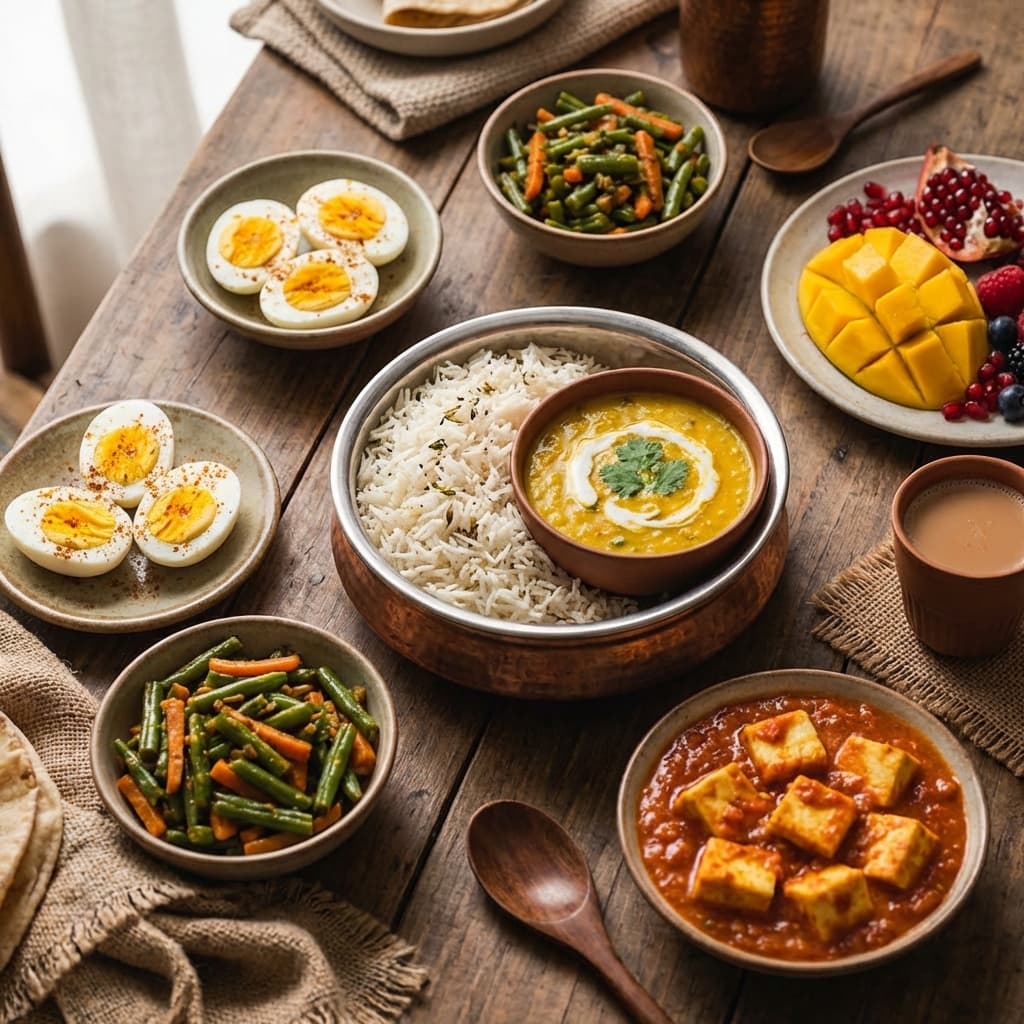
Healthy food background
MODERATE ⚠️Last Updated: 1/12/2026

Can I Eat Chai ?

Chai, a beloved beverage, can be enjoyed at various times, but moderation and mindful preparation are key. While the tea itself offers antioxidant benefits, the added sugar and milk can impact blood sugar levels and caloric intake. Consuming chai strategically, considering your individual health needs and lifestyle, allows you to savor its flavor while mitigating potential drawbacks. Opting for less sugar or alternative sweeteners and choosing low-fat milk or plant-based options can enhance its health profile.

Key Insight

The spices in chai, particularly cardamom and ginger, have been shown in studies to possess anti-inflammatory properties that may help reduce the risk of chronic diseases.

The Science Behind Chai

Chai is typically composed of black tea, milk, sugar, and a blend of spices like cardamom, cinnamon, ginger, cloves, and black pepper. The nutritional profile varies significantly based on the proportions and types of ingredients used.

**Black Tea:** Black tea is rich in polyphenols, particularly theaflavins and thearubigins, which are potent antioxidants. Clinical studies show these compounds can improve blood vessel function and reduce the risk of heart disease. A cup (240ml) of brewed black tea contains approximately 40-70mg of caffeine, a stimulant that can enhance alertness and cognitive function. However, excessive caffeine intake can lead to anxiety, insomnia, and heart palpitations in sensitive individuals.

**Milk:** Milk contributes protein, calcium, and vitamin D to chai. A cup (240ml) of whole milk contains approximately 8g of protein, 300mg of calcium, and 100 IU of vitamin D. The fat content varies depending on the type of milk used. Whole milk contains around 8g of fat per cup, while skim milk contains less than 0.5g. For those with lactose intolerance, lactose-free milk or plant-based alternatives like almond, soy, or oat milk can be used. These alternatives often have lower calorie and fat content but may also be lower in protein and calcium unless fortified.

**Sugar:** Sugar is a primary source of simple carbohydrates in chai, providing quick energy. However, excessive sugar consumption is linked to weight gain, insulin resistance, and increased risk of type 2 diabetes. A teaspoon of sugar contains approximately 4g of carbohydrates and 16 calories. Many commercially prepared chais contain excessive amounts of added sugar, often exceeding 20g per serving. Nutrition research indicates that limiting added sugar intake to less than 25g per day is beneficial for overall health.

**Spices:** The spices in chai contribute various health benefits. Ginger possesses anti-inflammatory and anti-nausea properties. Cinnamon can improve insulin sensitivity and lower blood sugar levels. Cardamom has antioxidant and diuretic effects. Cloves are rich in eugenol, an antioxidant with potential anti-cancer properties. The specific amounts of these spices in a typical cup of chai are relatively small, but their cumulative effect can contribute to overall well-being.

**GI Index:** The Glycemic Index (GI) of chai depends largely on the amount of sugar added. Unsweetened chai has a low GI, while chai with significant added sugar can have a moderate to high GI. Milk also contributes to the GI, with whole milk having a slightly higher GI than skim milk. The presence of fat and protein in milk can slow down the absorption of carbohydrates, mitigating the glycemic impact to some extent. The metabolic impact of chai involves the release of glucose into the bloodstream, stimulating insulin secretion. Regular consumption of high-sugar chai can lead to insulin resistance over time.

🌍

Global & Cultural Insights

Chai is deeply embedded in Indian culture, often enjoyed multiple times a day in homes and tea stalls across the country. It's a social beverage, shared with family and friends during gatherings. Traditionally, chai is prepared with strong black tea, milk, sugar, and a blend of spices, varying slightly from region to region. In many Indian households, chai is enjoyed with breakfast, often alongside parathas or toast. It is also a common accompaniment to snacks like samosas or pakoras in the afternoon. From an Ayurvedic perspective, the spices in chai are believed to have warming and digestive properties, making it a beneficial beverage for balancing doshas. In a modern Indian lifestyle, where processed foods and sugary drinks are increasingly prevalent, mindful preparation of chai with less sugar and healthier milk options can help maintain its place as a comforting yet healthy beverage.

Who Should Eat Chai?

For People with Diabetes/Insulin Resistance

Recommended

Opt for sugar-free chai using alternative sweeteners like stevia or erythritol. Monitor blood glucose levels after consuming chai to understand individual responses. Choose unsweetened almond or soy milk to minimize carbohydrate intake from milk.

Caution

Avoid commercially prepared chai mixes, as they often contain high amounts of added sugar. Limit chai consumption to 1-2 cups per day to prevent significant blood sugar spikes. Be mindful of the carbohydrate content of the milk used.

For Weight Loss & Metabolism

Recommended

Choose low-calorie options by using skim milk or unsweetened plant-based milk and minimizing added sugar. The spices in chai may help boost metabolism slightly. Black tea itself contains minimal calories.

Caution

Avoid high-calorie chai lattes and commercially prepared chai mixes, as they are often loaded with sugar and fat. Be mindful of the overall caloric intake from chai, especially when consumed multiple times per day. Avoid drinking chai right before bed as it can interfere with sleep due to caffeine content.

For Athletes & Muscle Gain

Recommended

Chai can be a decent pre-workout beverage due to the caffeine content, providing an energy boost. The milk contributes protein, which is essential for muscle repair and growth. Add a scoop of protein powder to your chai for an extra protein boost.

Caution

Avoid consuming chai with excessive sugar before workouts, as it can lead to an energy crash. Be mindful of digestive comfort, as some spices can cause gastrointestinal distress in certain individuals. Avoid drinking chai immediately after an intense workout, as the caffeine may interfere with hydration.

For Heart Health & Cholesterol

Recommended

Choose low-fat milk options to reduce saturated fat intake. The antioxidants in black tea can promote cardiovascular health. Limit added sugar to minimize its negative impact on cholesterol levels.

Caution

Avoid using full-fat milk or cream in chai, as they can raise LDL (bad) cholesterol levels. Be mindful of the sodium content of commercially prepared chai mixes. Limit chai consumption if you are sensitive to caffeine, as it can raise blood pressure in some individuals.

For Digestive Health (Gut)

Recommended

Ginger in chai can aid digestion and reduce nausea. Spices like cardamom and cloves possess antimicrobial properties that can promote gut health. Consider adding a pinch of fennel seeds to chai to aid digestion.

Caution

Be mindful of spice sensitivities, as some individuals may experience bloating or heartburn from certain spices in chai. Excessive milk consumption can cause digestive issues in lactose-intolerant individuals. Avoid drinking chai on an empty stomach, as it can increase acidity and cause discomfort.

Timing Your Nutrition

Best Time

The best time to enjoy chai is mid-morning or mid-afternoon, as a pick-me-up. The caffeine can provide a mental boost without interfering with sleep, and the spices can aid digestion after a meal. Enjoying it with a small, healthy snack can help stabilize blood sugar levels.

⚠️

Avoid When

Avoid drinking chai too close to bedtime (at least 4-6 hours before) due to its caffeine content, which can disrupt sleep patterns. Consuming chai on an empty stomach can also be problematic for some individuals, as it can increase stomach acidity and cause discomfort.

🍽️

Pair With

Pair chai with balanced meals or snacks that contain protein and fiber to help slow down the absorption of sugar and prevent blood sugar spikes. For example, enjoy chai with a handful of nuts, a piece of fruit, or a small bowl of oatmeal.

Portion Control

Ideal Serving

1 cup (240ml) of chai with 1 teaspoon (4g) of sugar or sugar alternative and low-fat milk.

Max Per Day

2-3 cups (480-720ml) of chai per day to limit caffeine and sugar intake.

Frequency

Daily, as long as moderation and mindful preparation are practiced.

Common Myth

"Chai is a healthy beverage because it contains spices."

Not quite true
The Reality

While the spices in chai offer various health benefits, the overall healthfulness of chai depends on the amount of sugar and the type of milk used. Commercially prepared chai often contains excessive amounts of added sugar and high-fat milk, negating the benefits of the spices. Making chai at home with minimal sugar and low-fat milk is a much healthier option.

Fact Checked

💡 Expert Tip

"Brew your chai with whole spices instead of using pre-ground mixes. This preserves the volatile oils and maximizes the flavor and health benefits of the spices. Try experimenting with different ratios of spices to create your perfect chai blend."

Common Questions

Does Chai cause weight gain?

Chai itself is relatively low in calories, especially if prepared without sugar and with low-fat milk. However, the added sugar and milk fat can contribute to weight gain if consumed in excess. Weight gain occurs when you consume more calories than you burn, creating a calorie surplus. If you are consuming several cups of sugary chai per day, the added calories can contribute to this surplus. Furthermore, the high sugar content can lead to insulin spikes and crashes, which can increase cravings and potentially lead to overeating. Opting for sugar-free alternatives and low-fat milk can significantly reduce the caloric impact of chai.

Can I eat Chai on an empty stomach?

Drinking chai on an empty stomach can be problematic for some individuals due to its caffeine and spice content. Caffeine can stimulate the production of stomach acid, potentially leading to heartburn, indigestion, or discomfort, especially in those prone to acid reflux or ulcers. The spices in chai, such as ginger and cloves, can also irritate the stomach lining in some people. Furthermore, the sugar in chai can cause a rapid spike in blood sugar, followed by a crash, leading to feelings of fatigue and irritability. It is generally recommended to consume chai after a meal or with a small snack to buffer its potential negative effects on the stomach.

How does Chai affect sleep?

Chai contains caffeine, a stimulant that can interfere with sleep. Caffeine blocks adenosine, a neurotransmitter that promotes relaxation and sleepiness. The half-life of caffeine is approximately 5-6 hours, meaning that half of the caffeine consumed remains in your system after that time. Therefore, drinking chai close to bedtime can make it difficult to fall asleep and can disrupt sleep quality. It's recommended to avoid consuming chai at least 4-6 hours before bedtime to allow the caffeine to clear from your system and minimize its impact on sleep.

Is Chai good for skin/hair?

Chai contains antioxidants from black tea and spices, which can contribute to healthy skin and hair. Antioxidants protect cells from damage caused by free radicals, which can contribute to aging and skin problems. Specific spices like cinnamon and cloves have anti-inflammatory properties that can help reduce skin inflammation and promote a clear complexion. The milk in chai provides vitamin D and calcium, which are essential for healthy hair growth and strength. However, the benefits for skin and hair are relatively minor and depend on a balanced diet rich in various nutrients.

Need a Personalized Diet Plan?

Generalized advice is good, but your body is unique. Upload your recent health report and get AI-powered nutrition guidance tailored specifically to your bloodwork.

Get My Personalized Plan

What Should You Do Next?

Analyze Your Report

Upload your lab PDF to get a full AI breakdown instantly.

Upload PDF

Food Decisions

Confused about what to eat? Check our food guide.

Food Guide

Start Health Journey

Create a personalized profile to track your progress.

Get Started